Engage with ACES as a community
Our partnerships with communities are the core of what we do.
If you are part of a coastal community that wants to protect and restore your ecosystems, and you see a possible place for ACES in your work, this page is for you.

Engage with ACES as a community
Our partnerships with communities are the core of what we do.
If you are part of a coastal community that wants to protect and restore your ecosystems, and you see a possible place for ACES in your work, this page is for you.
Engage with ACES as a community
Our partnerships with communities are the core of what we do.
If you are part of a coastal community that wants to protect and restore your ecosystems, and you see a possible place for ACES in your work, this page is for you.

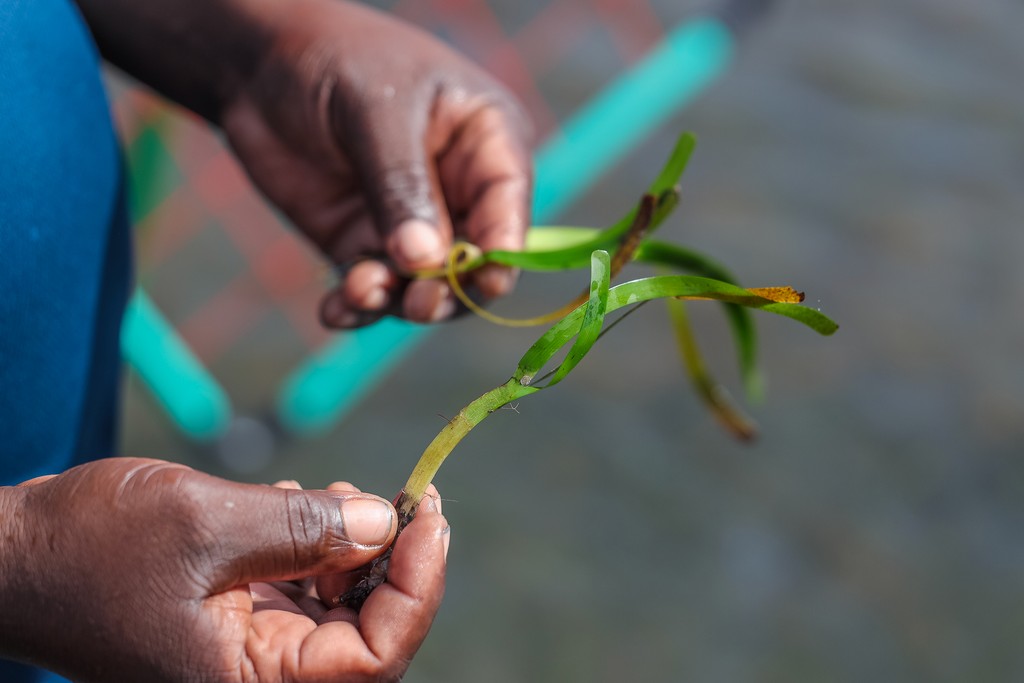
Our approach
We do not arrive with a pre‑packaged solution. Instead, we:
Welcome expressions of interest from community groups interested in conserving coastal ecosystems
Listen to the experience, aspirations and plans of potential partners
Work together to find opportunties for collaboration, whether thats a funding call or a project where we can help
Co‑create and co-deliver projects with local community groups and leaders for long term benefit
Our model is to build projects that are rooted in local priorities and can continue long after external funding cycles end.

Robyn Morland
Robyn Morland
ACES Director
“
Our commitment is to continue to develop and facilitate coastal nature-based solutions to the climate and biodiversity crises. We embed climate justice in all that we do, recognising the inherent place of people in nature and its conservation.
Our commitment is to continue to develop and facilitate coastal nature-based solutions to the climate and biodiversity crises. We embed climate justice in all that we do, recognising the inherent place of people in nature and its conservation.
Our approach
We do not arrive with a pre‑packaged solution. Instead, we:
Welcome expressions of interest from community groups interested in conserving coastal ecosystems
Listen to the experience, aspirations and plans of potential partners
Work together to find opportunties for collaboration, whether thats a funding call or a project where we can help
Co‑create and co-deliver projects with local community groups and leaders for long term benefit
Our model is to build projects that are rooted in local priorities and can continue long after external funding cycles end.
Robyn Morland
ACES Director
“
Our commitment is to continue to develop and facilitate coastal nature-based solutions to the climate and biodiversity crises. We embed climate justice in all that we do, recognising the inherent place of people in nature and its conservation.
Reach out
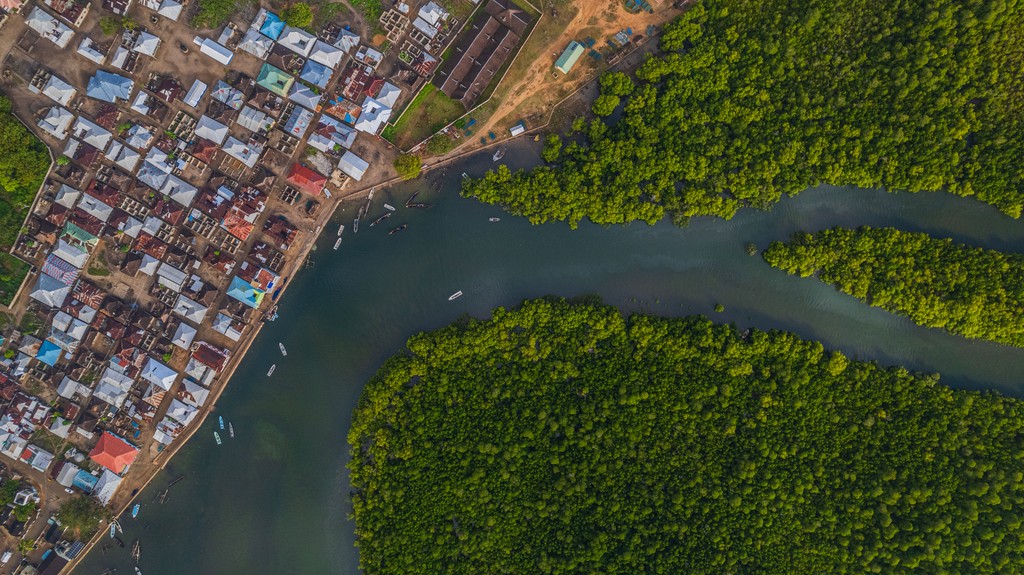
We are open to new collaborations. We welcome expressions of interest from communities worldwide. Our vision is to extend our work through tropical and sub-tropical regions. We would particularly like to hear from:
Community‑based organisations and local groups in coastal areas
Community‑ based organisations and local groups in coastal areas
Existing initiatives that want to strengthen or scale their work
Communities with early‑stage ideas or ambitions for mangrove or seagrass protection
You do not need to have everything figured out. A clear sense of your priorities and questions is enough to start a conversation.
Check out our guides to find out more.


Still have questions?
Let's dig deeper.
Which carbon standard are ACES projects certified to?
Our projects are certified to the Plan Vivo Standard, who prioritise poverty alleviation. In order to achieve this certification, the projects are validated by an independent assessor before they are launched and undergo 5-yearly independent verification assessments.
How can I buy carbon credits from ACES?
We don’t sell credits on our website because we prefer to know who is buying them and ensure that they are not used to facilitate greenwashing. You can get in touch with us to discuss buying our credits, and if you are happy to share, we would love to know a bit about you and your carbon reduction journey.
Are ACES' carbon credits reduction or removal credits?
They are both. Our reforestation activities remove carbon from the atmosphere as the new trees grow and trap sediment carbon in their roots. Our avoided deforestation both reduces carbon emissions from burning of timber and escape of sediment carbon and removes carbon as the trees are allowed to grow beyond what they would have otherwise done without the protection.
Is carbon offsetting not just greenwashing?
We believe that systemic change is the priority in the fight against climate change. However, the global community is not moving fast enough to tackle the problem – we are still on a trajectory to exceed 2 degrees of warming. Fully reducing or eliminating our GHG emissions is not always possible – many of us need to fly to visit family, cannot afford electric cars or to decarbonise our homes, public transport is not always adequate to travel by. This is where we believe carbon offsetting can play part in the meantime – to compensate for those unavoidable emissions while we reach a low-carbon world.
How much does it cost to offset with ACES?
We try to make our credits as affordable as possible to the type of clients who we like to work with – genuine, ethical buyers who may be charities, small businesses, or individuals. Our credits are not the cheapest on the market – they couldn’t be as high-quality if they were – but neither do we seek to sell to the highest bidder. Get in touch with us to discuss a quote for your needs.
If I offset with ACES, where does my money go?
ACES works closely with the community groups that lead our projects. We are a charity and do not make a profit from sales. We retain a small percentage (around 15%) to cover our overheads and pay certification and audit costs for the projects. Of the ~85% sent to the community groups, around half is spent on salaries, a third on community development activities and the remainder funds forest conservation and restoration activities.
How does ACES work with communities?
We work in partnership with Community Based Organisations (CBOs), which are governed by boards of locally elected community members. The CBOs report to and consult with the wider community on project development and how the community development funds should be spent. Around 1/3 of our project expenditure is allocated to community development activities and the wider community can vote on how this is spent, ensuring that they benefit the community as a whole and address local needs.
ACES accepts donations and sells credits. What is the difference?
Our credits equate to a certified tonne of CO2 that our projects have either sequestered or prevented from being released into the atmosphere.
Donations support our work as a charity, allowing us to provide technical and advisory support to non-accredited projects and to send as much of the carbon income as possible to community groups. We also occasionally seek donations for community development activities beyond the usual remit of our projects, for example, funding period poverty relief.
Still have questions?
Let's dig deeper.
Which carbon standard are ACES projects certified to?
Our projects are certified to the Plan Vivo Standard, who prioritise poverty alleviation. In order to achieve this certification, the projects are validated by an independent assessor before they are launched and undergo 5-yearly independent verification assessments.
How can I buy carbon credits from ACES?
We don’t sell credits on our website because we prefer to know who is buying them and ensure that they are not used to facilitate greenwashing. You can get in touch with us to discuss buying our credits, and if you are happy to share, we would love to know a bit about you and your carbon reduction journey.
Are ACES' carbon credits reduction or removal credits?
They are both. Our reforestation activities remove carbon from the atmosphere as the new trees grow and trap sediment carbon in their roots. Our avoided deforestation both reduces carbon emissions from burning of timber and escape of sediment carbon and removes carbon as the trees are allowed to grow beyond what they would have otherwise done without the protection.
Is carbon offsetting not just greenwashing?
We believe that systemic change is the priority in the fight against climate change. However, the global community is not moving fast enough to tackle the problem – we are still on a trajectory to exceed 2 degrees of warming. Fully reducing or eliminating our GHG emissions is not always possible – many of us need to fly to visit family, cannot afford electric cars or to decarbonise our homes, public transport is not always adequate to travel by. This is where we believe carbon offsetting can play part in the meantime – to compensate for those unavoidable emissions while we reach a low-carbon world.
How much does it cost to offset with ACES?
We try to make our credits as affordable as possible to the type of clients who we like to work with – genuine, ethical buyers who may be charities, small businesses, or individuals. Our credits are not the cheapest on the market – they couldn’t be as high-quality if they were – but neither do we seek to sell to the highest bidder. Get in touch with us to discuss a quote for your needs.
If I offset with ACES, where does my money go?
ACES works closely with the community groups that lead our projects. We are a charity and do not make a profit from sales. We retain a small percentage (around 15%) to cover our overheads and pay certification and audit costs for the projects. Of the ~85% sent to the community groups, around half is spent on salaries, a third on community development activities and the remainder funds forest conservation and restoration activities.
How does ACES work with communities?
We work in partnership with Community Based Organisations (CBOs), which are governed by boards of locally elected community members. The CBOs report to and consult with the wider community on project development and how the community development funds should be spent. Around 1/3 of our project expenditure is allocated to community development activities and the wider community can vote on how this is spent, ensuring that they benefit the community as a whole and address local needs.
ACES accepts donations and sells credits. What is the difference?
Our credits equate to a certified tonne of CO2 that our projects have either sequestered or prevented from being released into the atmosphere.
Donations support our work as a charity, allowing us to provide technical and advisory support to non-accredited projects and to send as much of the carbon income as possible to community groups. We also occasionally seek donations for community development activities beyond the usual remit of our projects, for example, funding period poverty relief.