About us
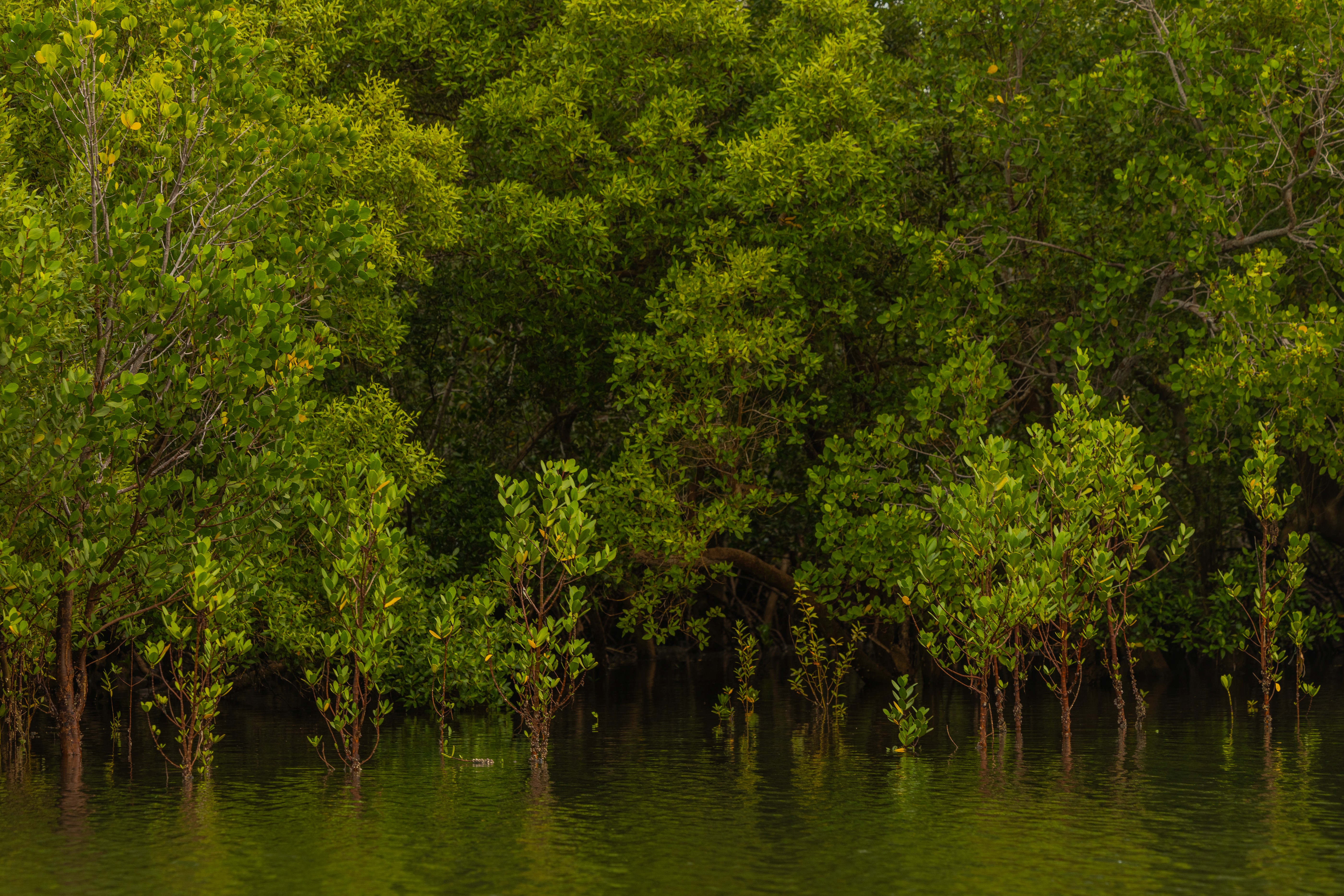
We partner with communities to protect and restore mangroves and seagrass, and to turn that recovery into real benefits, including reliable and high‑integrity income.
We start with people and place, and build the science and finance around them. Our work comes at no cost to the communities.
About us
We partner with communities to protect and restore mangroves and seagrass, and to turn that recovery into real benefits, including reliable and high‑integrity income.
We start with people and place, and build the science and finance around them. Our work comes at no cost to the communities.
About us
We partner with communities to protect and restore mangroves and seagrass, and to turn that recovery into real benefits, including reliable and high‑integrity income.
We start with people and place, and build the science and finance around them. Our work comes at no cost to the communities.
What we do

Ecosystem recovery
Forest biomass in Mikoko Pamoja, Kenya has more than doubled in the past ~12 years

Community benefits
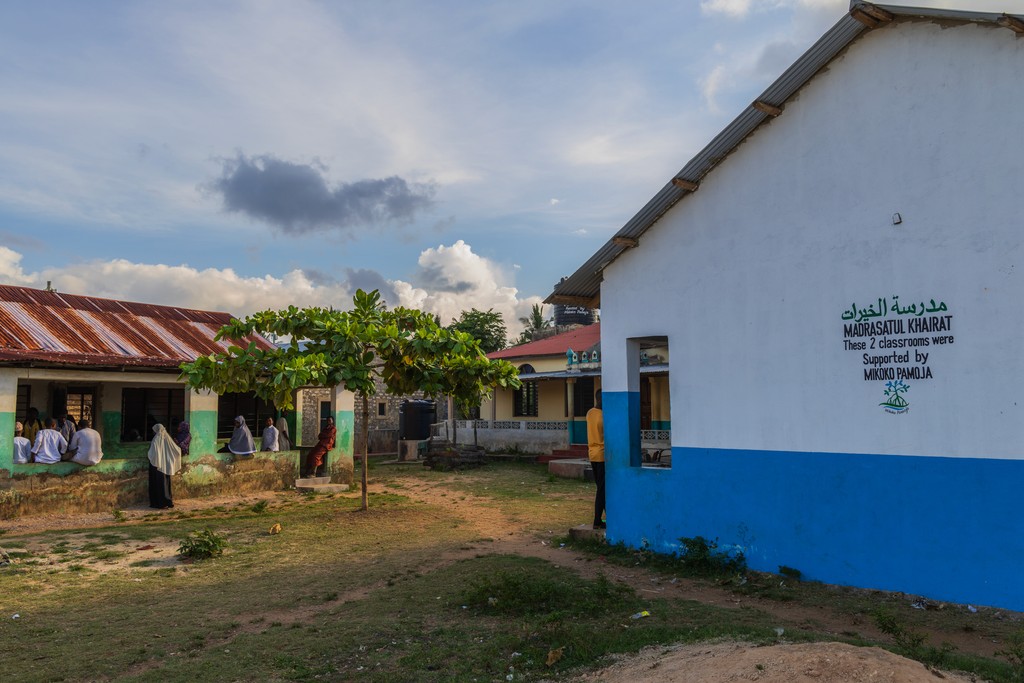
Communities fund improvements in water access, education, health and local livelihoods

Shaping standards
Our work has informed best practice guidelines and has shaped emerging standards

The Team
We are a team of radical optimists who believe that system change is possible through collaboration, creativity and courage. We turn hope into action and tangible conservation benefits.

Robyn Morland
Director
Robyn has been part of ACES since the early days, first as a Trustee and, now as Director. Like the roots of mangroves, she has shaped the charity to how it looks today and guides the team and projects to flourish. Speak to Robyn for information about credit sales, development opportunities, and partnerships.
Amber Baker
Assistant Director
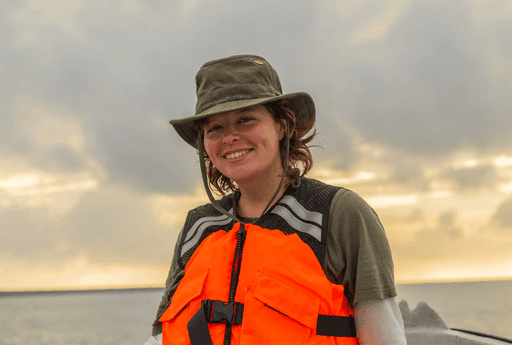
Amber leads the co-creation of Nnaa Saama Mankoulou in The Gambia and is happy knee-deep in mangrove mud! She is Assistant Director, collaborating on core ACES development and supporting other ACES projects.
Amelia Allerton
Biodiversity Lead
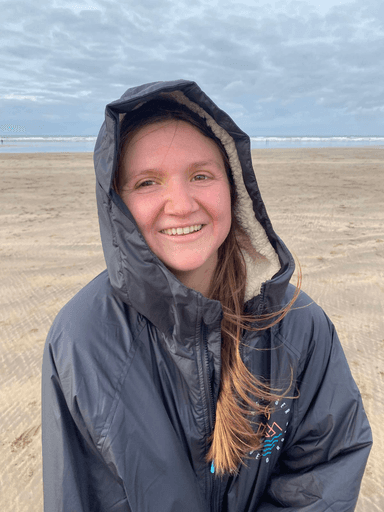
Amelia joined ACES to lead the development of Vanga Seagrass Project and is our biodiversity market expert. She is as comfortable under the waves as she is navigating the waters of marine biodiversity crediting!
The Team
We are a team of radical optimists who believe that system change is possible through collaboration, creativity and courage. We turn hope into action and tangible conservation benefits.
Robyn Morland
Director
Robyn has been part of ACES since the early days, first as a Trustee and, now as Director. Like the roots of mangroves, she has shaped the charity to how it looks today and guides the team and projects to flourish. Speak to Robyn for information about credit sales, development opportunities, and partnerships.
Amber Baker
Assistant Director
Amber leads the co-creation of Nnaa Saama Mankoulou in The Gambia and is happy knee-deep in mangrove mud! She is Assistant Director, collaborating on core ACES development and supporting other ACES projects.
Amelia Allerton
Biodiversity Lead
Amelia joined ACES to lead the development of Vanga Seagrass Project and is our biodiversity market expert. She is as comfortable under the waves as she is navigating the waters of marine biodiversity crediting!
How we work
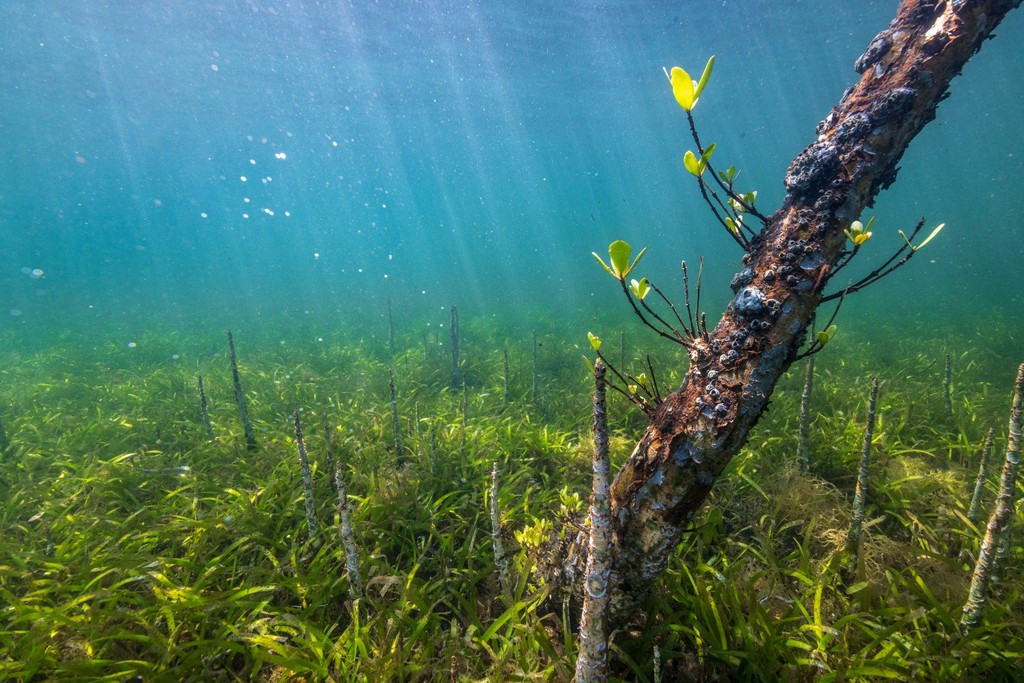
Our mission is to co‑create projects where conservation and livelihoods strengthen each other.
Projects are designed with community-based organisations, including local leaders, women and fishers. Projects are tailored to local context.
Communities own and lead the work. We help navigate the frameworks, finance, and capacity that make it possible.
ACES and partners
We are a UK based charity. We work alongside communities on the ground as well as local and international organisations who share our values.
We work from a place of trust, honesty, and shared goals. We value long term partnerships and space for learning along the way.
Our work is rooted in partnership. We are thankful to past and present partners who have been part of our journey.





Ethics Charter
We need to restore the atmosphere and ecosystems upon which we depend. This requires action broader than just the Nature Markets.

Political action
The Nature and Climate crises are systemic issues. We need to act collectively in demanding change and that action towards global goals must be a priority for our political and corporate leaders.

Personal action
If we ask others to change without addressing our own contributions, then we undermine our message. We need to do what we can, within societal limits to reduce our personal impacts.

Positive contributions
In parallel to societal shifts and increased uptake of sustainable alternatives, businesses should increase their investment in nature. One way to do this is through credits.

Recognising value
The value of nature goes far beyond money, and we know that we could never put a price on nature. We recognise the cultural, spiritual, and intrinsic value of nature, and we hope that you do too.
Ethics Charter
We need to restore the atmosphere and ecosystems upon which we depend. This requires action broader than just the Nature Markets.
Political action
The Nature and Climate crises are systemic issues. We need to act collectively in demanding change and that action towards global goals must be a priority for our political and corporate leaders.
Personal action
If we ask others to change without addressing our own contributions, then we undermine our message. We need to do what we can, within societal limits to reduce our personal impacts.
Positive contributions
In parallel to societal shifts and increased uptake of sustainable alternatives, businesses should increase their investment in nature. One way to do this is through credits.
Recognising value
The value of nature goes far beyond money, and we know that we could never put a price on nature. We recognise the cultural, spiritual, and intrinsic value of nature, and we hope that you do too.
The Board
We are proud to have a multidisciplinary board who provide essential expert insight into our activities and strategic thinking.
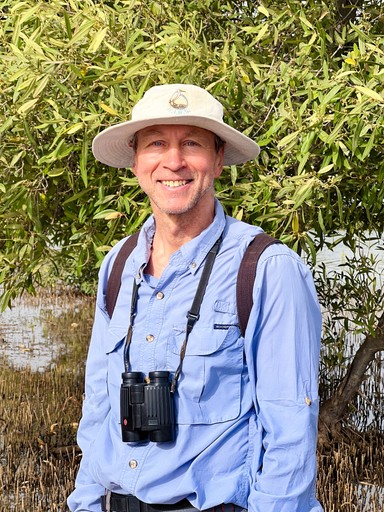
Prof. Mark Huxham
ACES Chair
Prof. Mark Huxham
ACES Chair

Lucas Ruzo
Secretary
Lucas Ruzo
Secretary
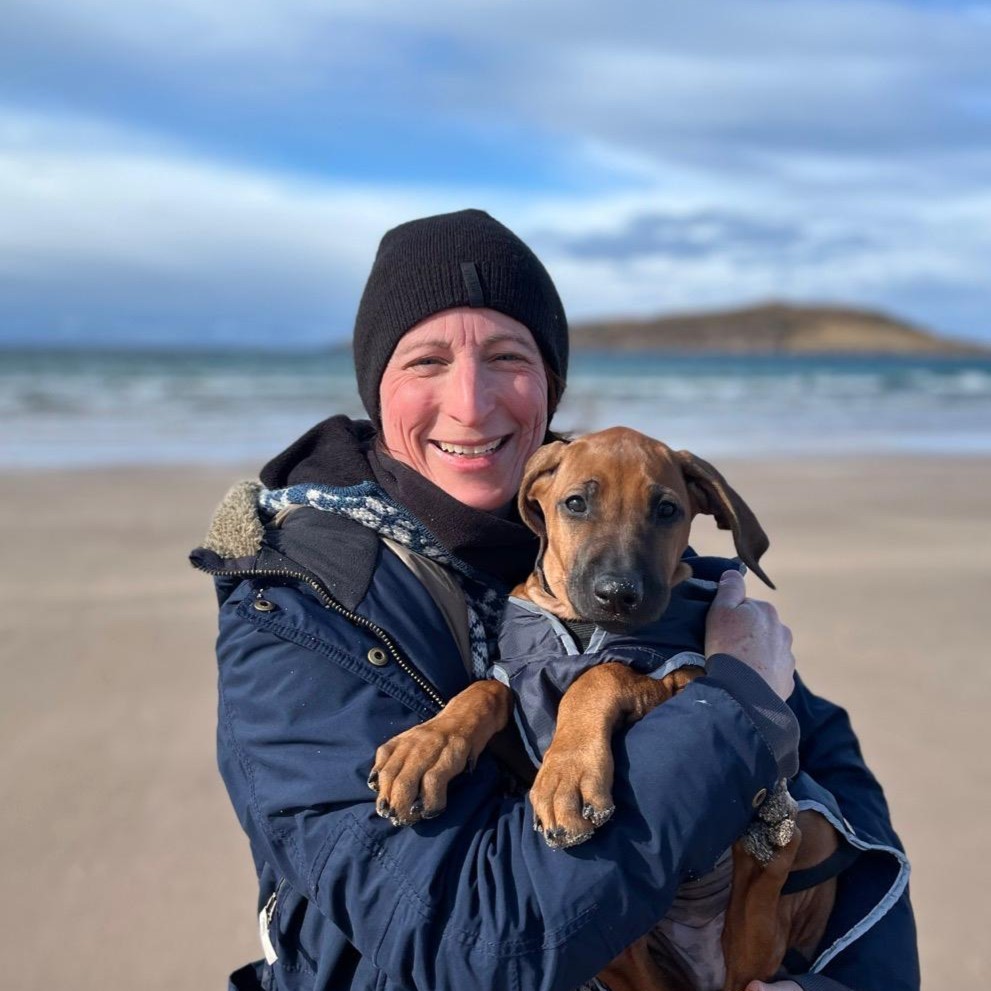
Dr Anita Ogilvie
Treasurer
Dr Anita Ogilvie
Treasurer
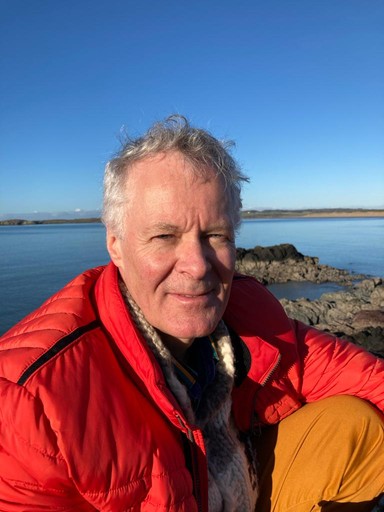
Dr Martin Skov
Trustee
Dr Martin Skov
Trustee
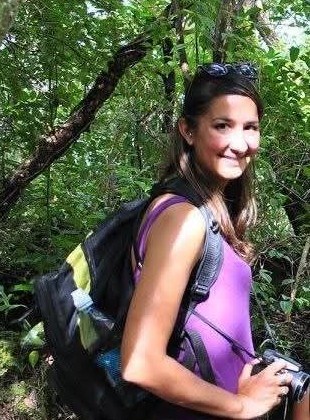
Dr Imi Dencer-Brown
Trustee
Dr Imi Dencer-Brown
Trustee
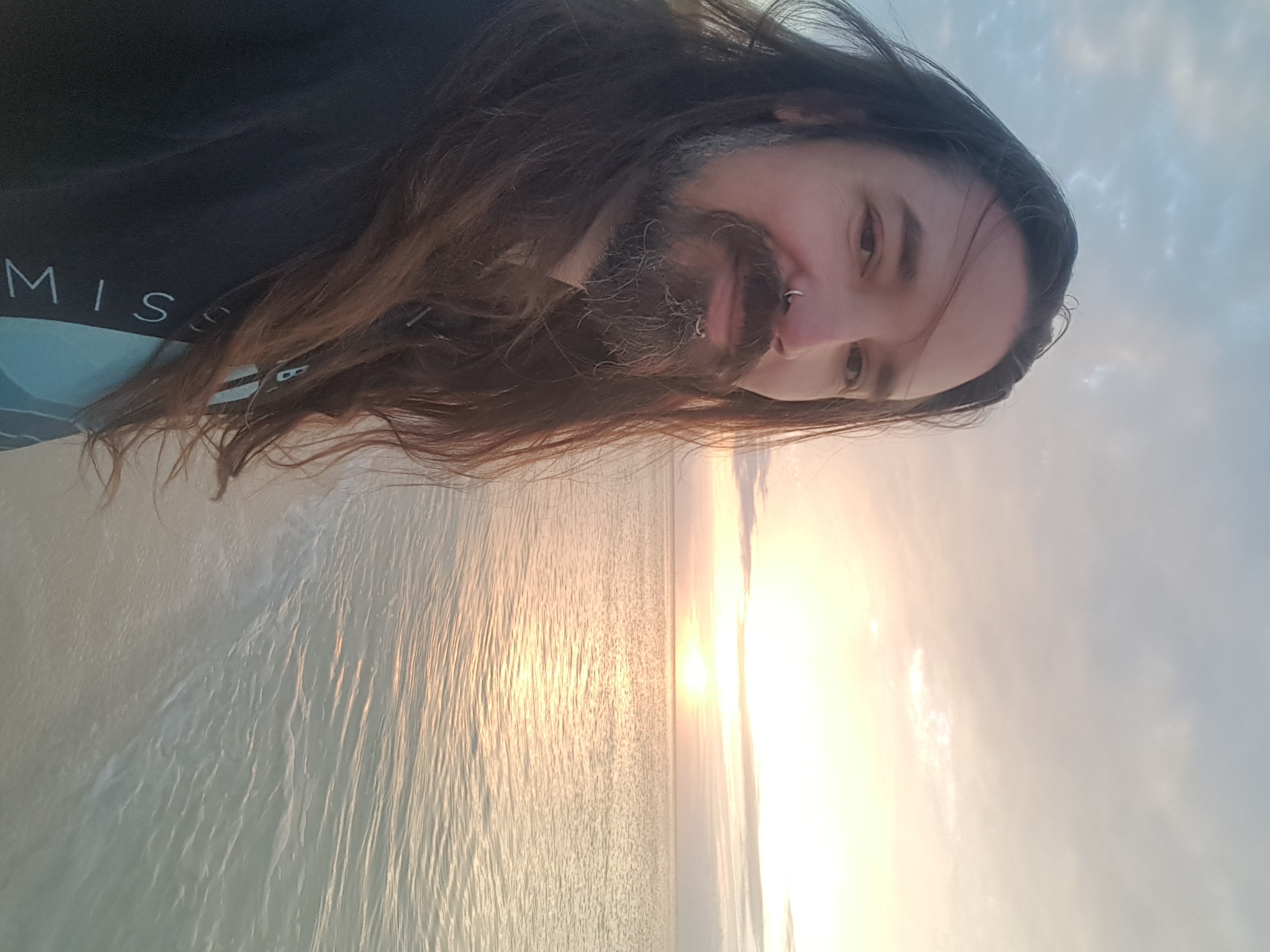
Mark Beeston
Trustee
Mark Beeston
Trustee

Sean MacRae
Trustee
Sean MacRae
Trustee


Still have questions?
Let's dig deeper.
Which carbon standard are ACES projects certified to?
Our projects are certified to the Plan Vivo Standard, who prioritise poverty alleviation. In order to achieve this certification, the projects are validated by an independent assessor before they are launched and undergo 5-yearly independent verification assessments.
How can I buy carbon credits from ACES?
We don’t sell credits on our website because we prefer to know who is buying them and ensure that they are not used to facilitate greenwashing. You can get in touch with us to discuss buying our credits, and if you are happy to share, we would love to know a bit about you and your carbon reduction journey.
Are ACES' carbon credits reduction or removal credits?
They are both. Our reforestation activities remove carbon from the atmosphere as the new trees grow and trap sediment carbon in their roots. Our avoided deforestation both reduces carbon emissions from burning of timber and escape of sediment carbon and removes carbon as the trees are allowed to grow beyond what they would have otherwise done without the protection.
Is carbon offsetting not just greenwashing?
We believe that systemic change is the priority in the fight against climate change. However, the global community is not moving fast enough to tackle the problem – we are still on a trajectory to exceed 2 degrees of warming. Fully reducing or eliminating our GHG emissions is not always possible – many of us need to fly to visit family, cannot afford electric cars or to decarbonise our homes, public transport is not always adequate to travel by. This is where we believe carbon offsetting can play part in the meantime – to compensate for those unavoidable emissions while we reach a low-carbon world.
How much does it cost to offset with ACES?
We try to make our credits as affordable as possible to the type of clients who we like to work with – genuine, ethical buyers who may be charities, small businesses, or individuals. Our credits are not the cheapest on the market – they couldn’t be as high-quality if they were – but neither do we seek to sell to the highest bidder. Get in touch with us to discuss a quote for your needs.
If I offset with ACES, where does my money go?
ACES works closely with the community groups that lead our projects. We are a charity and do not make a profit from sales. We retain a small percentage (around 15%) to cover our overheads and pay certification and audit costs for the projects. Of the ~85% sent to the community groups, around half is spent on salaries, a third on community development activities and the remainder funds forest conservation and restoration activities.
How does ACES work with communities?
We work in partnership with Community Based Organisations (CBOs), which are governed by boards of locally elected community members. The CBOs report to and consult with the wider community on project development and how the community development funds should be spent. Around 1/3 of our project expenditure is allocated to community development activities and the wider community can vote on how this is spent, ensuring that they benefit the community as a whole and address local needs.
ACES accepts donations and sells credits. What is the difference?
Our credits equate to a certified tonne of CO2 that our projects have either sequestered or prevented from being released into the atmosphere.
Donations support our work as a charity, allowing us to provide technical and advisory support to non-accredited projects and to send as much of the carbon income as possible to community groups. We also occasionally seek donations for community development activities beyond the usual remit of our projects, for example, funding period poverty relief.
Still have questions?
Let's dig deeper.
Which carbon standard are ACES projects certified to?
Our projects are certified to the Plan Vivo Standard, who prioritise poverty alleviation. In order to achieve this certification, the projects are validated by an independent assessor before they are launched and undergo 5-yearly independent verification assessments.
How can I buy carbon credits from ACES?
We don’t sell credits on our website because we prefer to know who is buying them and ensure that they are not used to facilitate greenwashing. You can get in touch with us to discuss buying our credits, and if you are happy to share, we would love to know a bit about you and your carbon reduction journey.
Are ACES' carbon credits reduction or removal credits?
They are both. Our reforestation activities remove carbon from the atmosphere as the new trees grow and trap sediment carbon in their roots. Our avoided deforestation both reduces carbon emissions from burning of timber and escape of sediment carbon and removes carbon as the trees are allowed to grow beyond what they would have otherwise done without the protection.
Is carbon offsetting not just greenwashing?
We believe that systemic change is the priority in the fight against climate change. However, the global community is not moving fast enough to tackle the problem – we are still on a trajectory to exceed 2 degrees of warming. Fully reducing or eliminating our GHG emissions is not always possible – many of us need to fly to visit family, cannot afford electric cars or to decarbonise our homes, public transport is not always adequate to travel by. This is where we believe carbon offsetting can play part in the meantime – to compensate for those unavoidable emissions while we reach a low-carbon world.
How much does it cost to offset with ACES?
We try to make our credits as affordable as possible to the type of clients who we like to work with – genuine, ethical buyers who may be charities, small businesses, or individuals. Our credits are not the cheapest on the market – they couldn’t be as high-quality if they were – but neither do we seek to sell to the highest bidder. Get in touch with us to discuss a quote for your needs.
If I offset with ACES, where does my money go?
ACES works closely with the community groups that lead our projects. We are a charity and do not make a profit from sales. We retain a small percentage (around 15%) to cover our overheads and pay certification and audit costs for the projects. Of the ~85% sent to the community groups, around half is spent on salaries, a third on community development activities and the remainder funds forest conservation and restoration activities.
How does ACES work with communities?
We work in partnership with Community Based Organisations (CBOs), which are governed by boards of locally elected community members. The CBOs report to and consult with the wider community on project development and how the community development funds should be spent. Around 1/3 of our project expenditure is allocated to community development activities and the wider community can vote on how this is spent, ensuring that they benefit the community as a whole and address local needs.
ACES accepts donations and sells credits. What is the difference?
Our credits equate to a certified tonne of CO2 that our projects have either sequestered or prevented from being released into the atmosphere.
Donations support our work as a charity, allowing us to provide technical and advisory support to non-accredited projects and to send as much of the carbon income as possible to community groups. We also occasionally seek donations for community development activities beyond the usual remit of our projects, for example, funding period poverty relief.