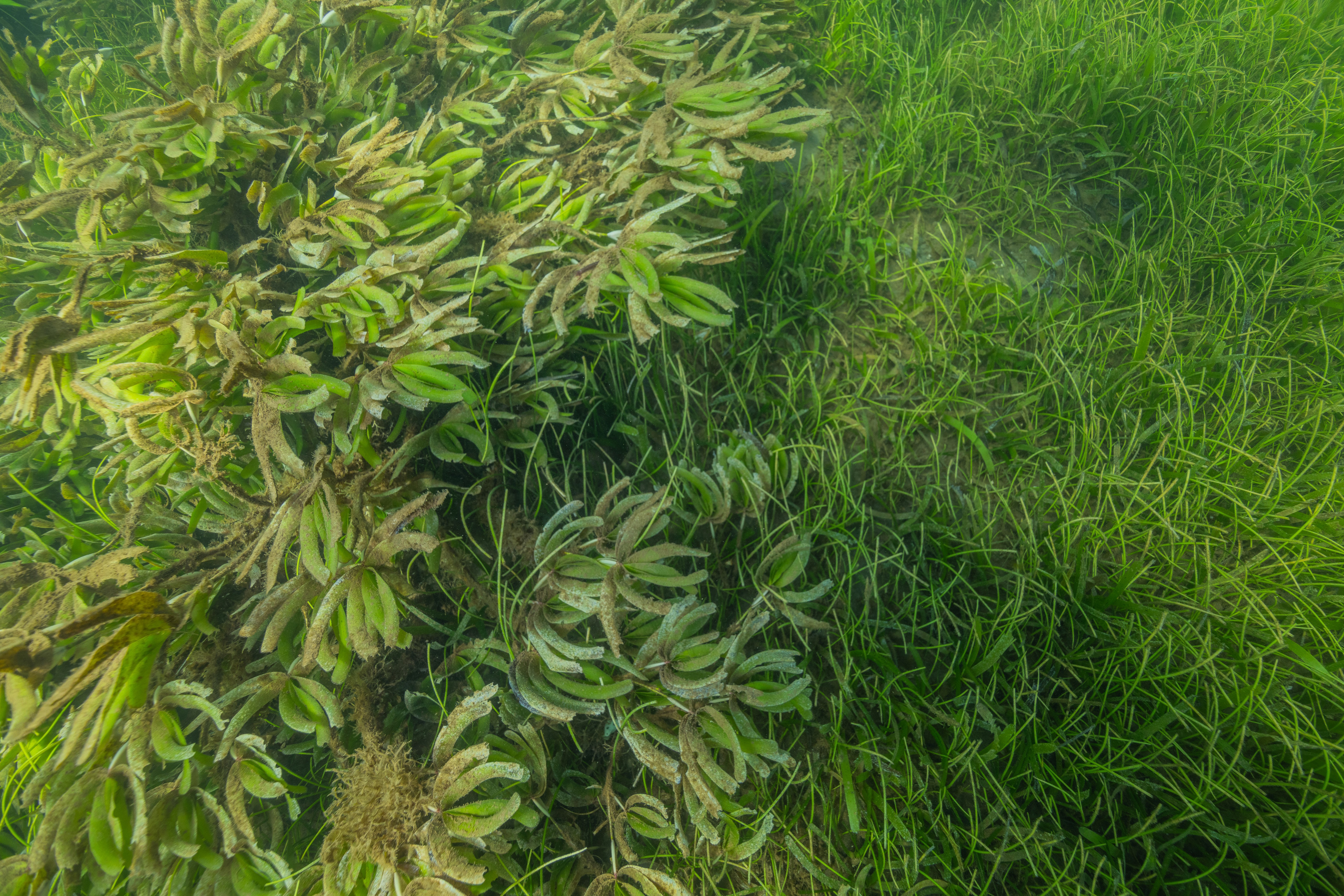
Vanga Seagrass Project
Kwale County, Kenya
Vanga Seagrass Project
Gazi Bay, Kenya
Vanga Seagrass Project
Gazi Bay, Kenya
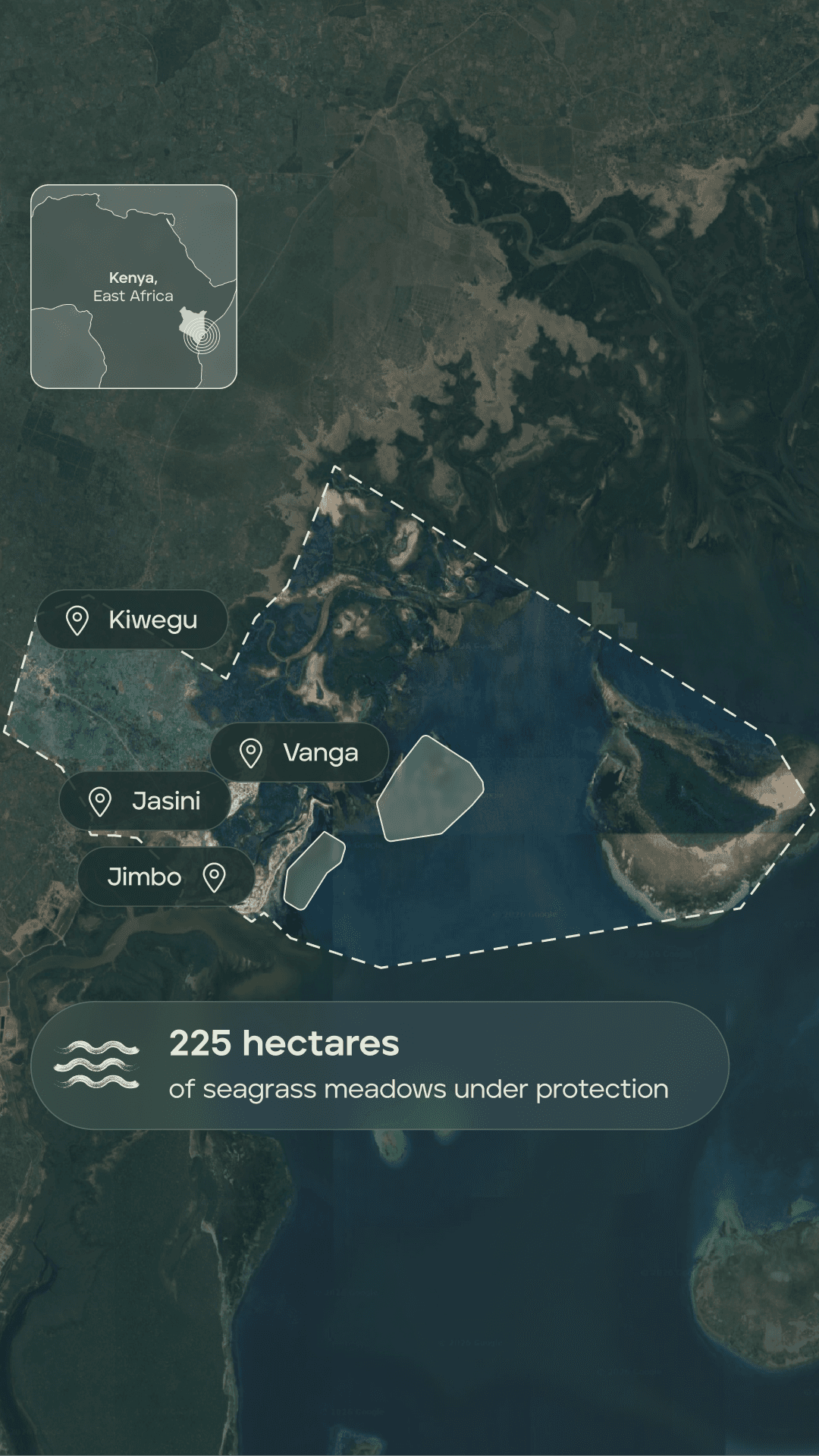
Vanga Seagrass Project is set to be one of the world’s first certified marine biodiversity projects. It protects 225ha of seagrass meadows, showing how coastal communities can lead ocean recovery.
At a glance
What:
225ha of seagrass meadows under protection within a Locally Managed Marine Area
Who:
The communities of Vanga, Jimbo, Kiwegu and Jasini; Vanga Blue Forest Community-Based Organisation; ACES; Kenya Marine and Fisheries Research Institute; Vanga Beach Management Unit (BMU); Jimbo BMU; Kenya Fisheries Service
Certification:
Impact Snapshot
225 hectares of seagrass meadows under protection
Frequent community‑led sea patrols in place
The story

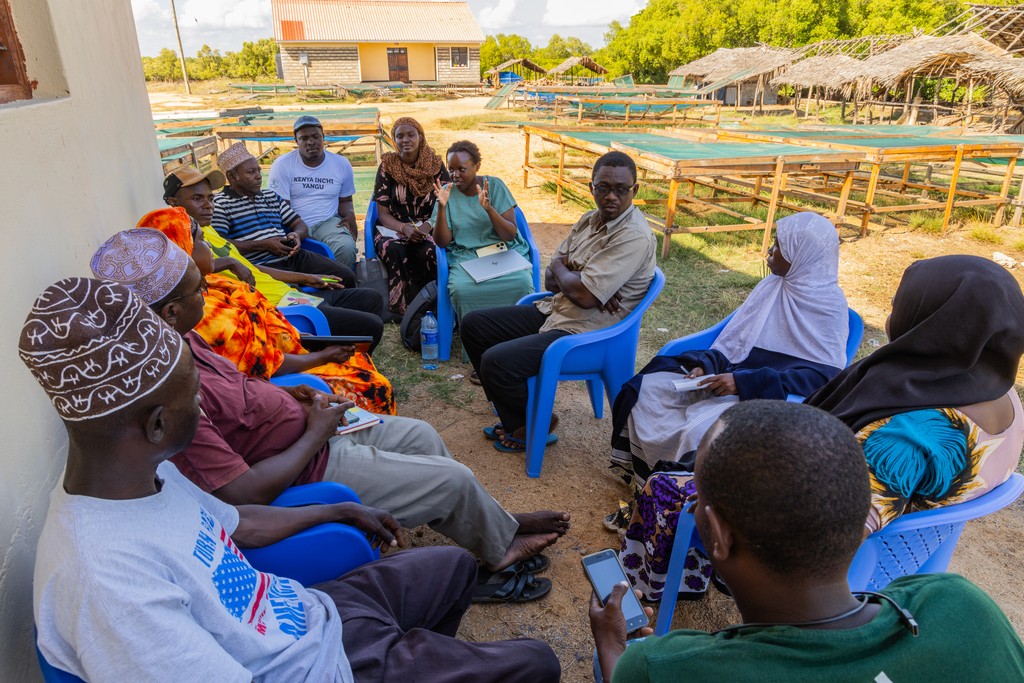
Community‑led marine recovery
From the team behind Vanga Blue Forest. Vanga Seagrass Project shows what happens when the power to protect the ocean sits with the people who depend on it.
Beyond carbon
Although seagrasses sequester approximately 10% of the carbon buried in ocean sediment each year, current frameworks make it difficult to include seagrass under a carbon standard.
The release of the PV Nature Standard from our long term partners, Plan Vivo, provided a new opportunity: biodiversity. The PV Nature Standard enables verified positive outcomes for nature.
Vanga Seagrass Project contributes to the larger Nature Positive movement; biodiversity credits are not offsets and cannot be used to compensate for damage to Nature.
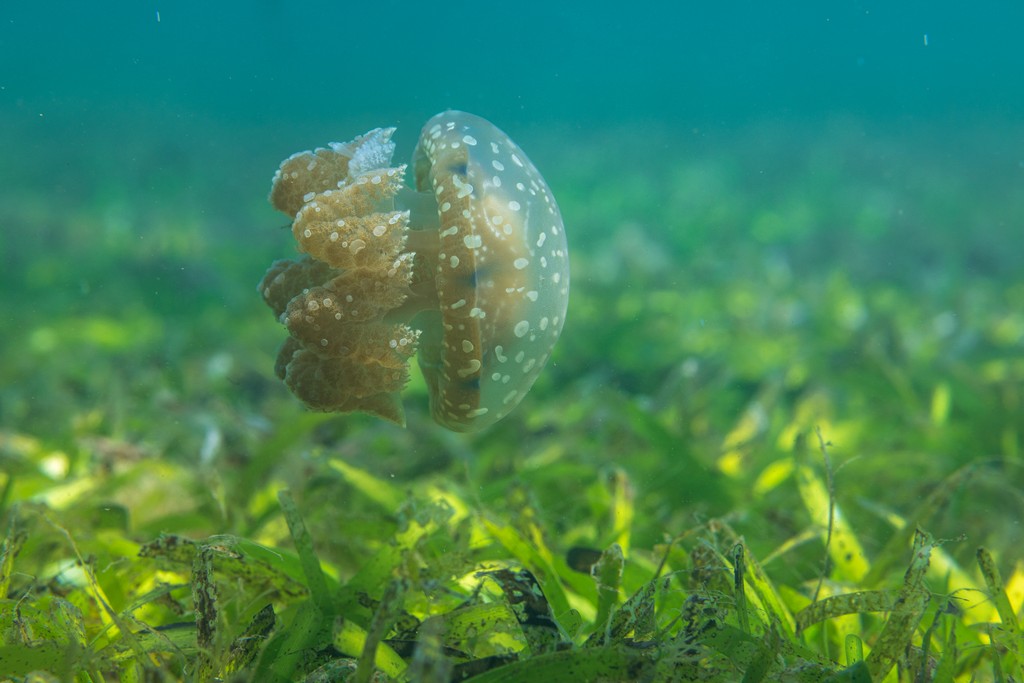
Local livelihoods
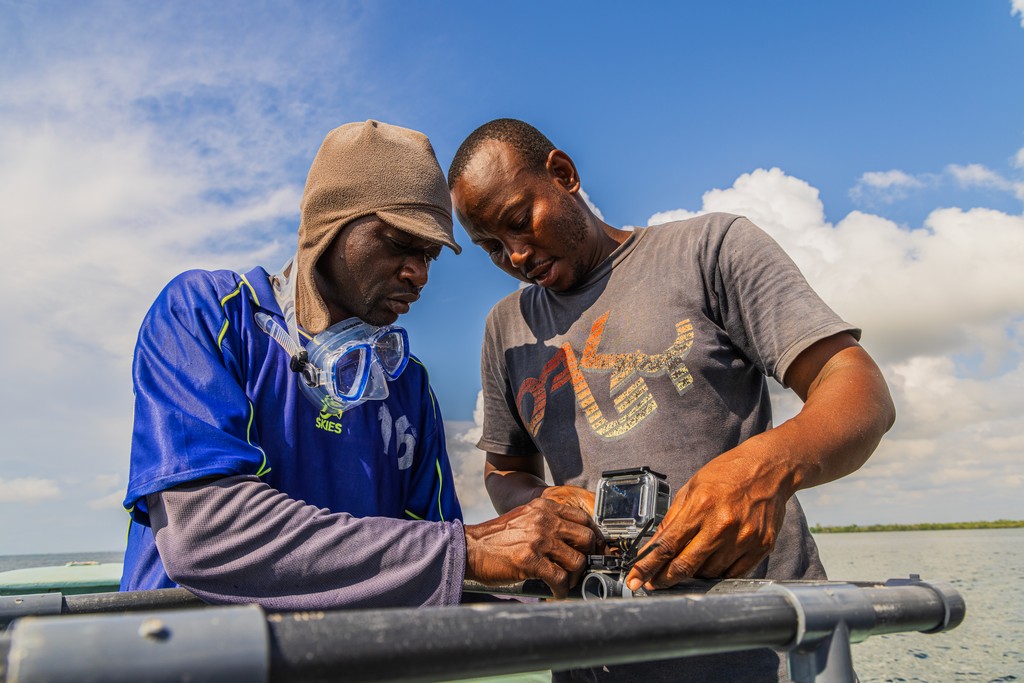
Vanga Bay contains about 14% of all seagrass in Kenya and 30% of jobs in the Vanga community are in the fisheries sector.
The community recognises the importance of seagrass and its role in the fisheries sector. Yet, the seagrass in Vanga Bay was being degraded by illegal and destructive fishing practices.
To stop and reverse this negative trend, two areas in Vanga Bay were designated for protection by the local fishers and communities. Damaging fishing practices have heavily impacted Vanga Bay. Now, with protection in place, there is hope that seagrass meadows and marine life will bounce back.
Community‑led marine recovery
From the team behind Vanga Blue Forest. Vanga Seagrass Project shows what happens when the power to protect the ocean sits with the people who depend on it.
Beyond carbon
Although seagrasses sequester approximately 10% of the carbon buried in ocean sediment each year, current frameworks make it difficult to include seagrass under a carbon standard.
The release of the PV Nature Standard from our long term partners, Plan Vivo, provided a new opportunity: biodiversity. The PV Nature Standard enables verified positive outcomes for nature.
Vanga Seagrass Project contributes to the larger Nature Positive movement; biodiversity credits are not offsets and cannot be used to compensate for damage to Nature.
Local livelihoods
Vanga Bay contains about 14% of all seagrass in Kenya and 30% of jobs in the Vanga community are in the fisheries sector.
The community recognises the importance of seagrass and its role in the fisheries sector. Yet, the seagrass in Vanga Bay was being degraded by illegal and destructive fishing practices.
To stop and reverse this negative trend, two areas in Vanga Bay were designated for protection by the local fishers and communities. Damaging fishing practices have heavily impacted Vanga Bay. Now, with protection in place, there is hope that seagrass meadows and marine life will bounce back.
Community‑led marine recovery
From the team behind Vanga Blue Forest. Vanga Seagrass Project shows what happens when the power to protect the ocean sits with the people who depend on it.
Beyond carbon
Although seagrasses sequester approximately 10% of the carbon buried in ocean sediment each year, current frameworks make it difficult to include seagrass under a carbon standard.
The release of the PV Nature Standard from our long term partners, Plan Vivo, provided a new opportunity: biodiversity. The PV Nature Standard enables verified positive outcomes for nature.
Vanga Seagrass Project contributes to the larger Nature Positive movement; biodiversity credits are not offsets and cannot be used to compensate for damage to Nature.
Local livelihoods
Vanga Bay contains about 14% of all seagrass in Kenya and 30% of jobs in the Vanga community are in the fisheries sector.
The community recognises the importance of seagrass and its role in the fisheries sector. Yet, the seagrass in Vanga Bay was being degraded by illegal and destructive fishing practices.
To stop and reverse this negative trend, two areas in Vanga Bay were designated for protection by the local fishers and communities. Damaging fishing practices have heavily impacted Vanga Bay. Now, with protection in place, there is hope that seagrass meadows and marine life will bounce back.
Meet the people
Mwinyi Hassan Mohamed
Project Officer
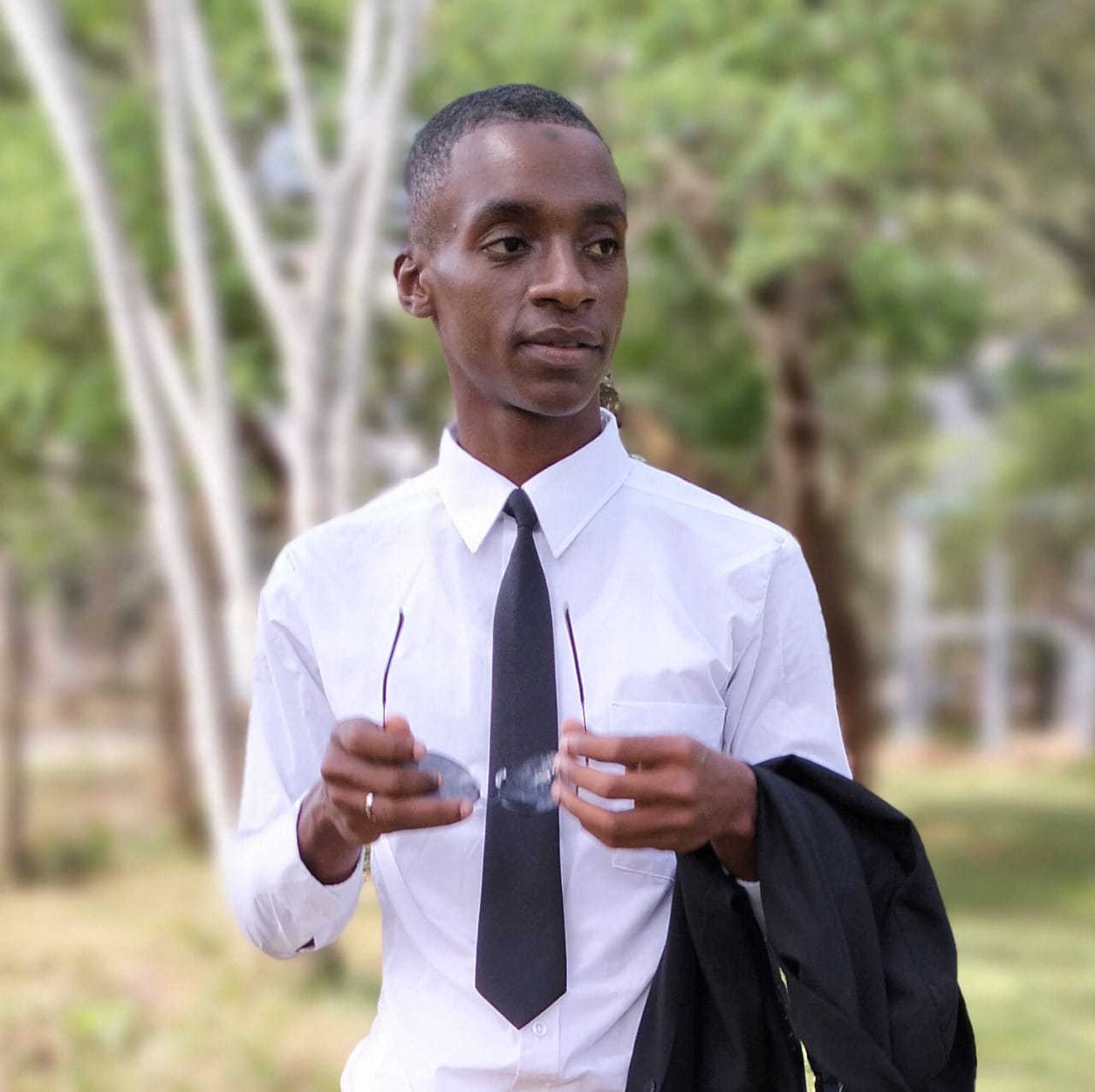
Responsible for coordinating Vanga Seagrass Project activities and leading the community engagement. He has expertise and great passion in marine and biodiversity conservation through innovative approaches.

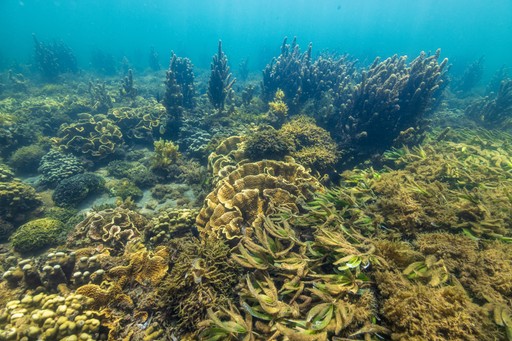
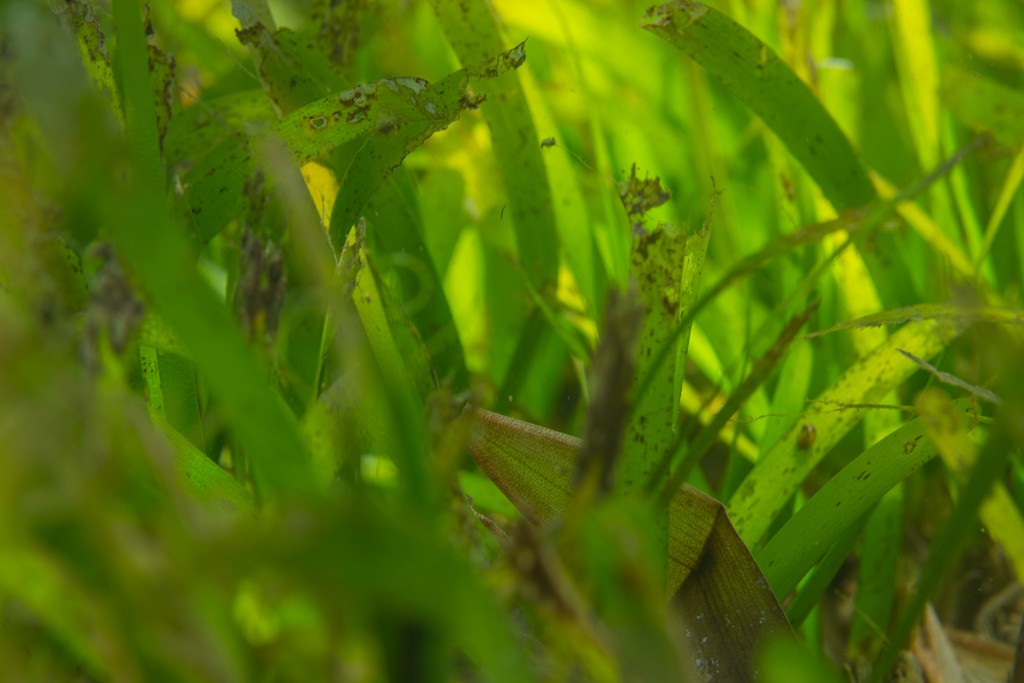
Seagrass is often interconnected with mangroves, providing shelter for juvenile fish and storm protection for coastal communities.
Seagrass is often interconnected with mangroves, providing shelter for juvenile fish and storm protection for coastal communities.

Vanga Bay is home to culturally and commercially important fish and other marine animals, including endangered species like Dugongs.
Vanga Bay is home to culturally and commercially important fish and other marine animals, including endangered species like Dugongs.
Our Supporters

Chip Cunliffe
Chip Cunliffe
Co-Founder and Innovation and Pipeline Development, Senior Director
Ocean Risk and Resilience Action Alliance (ORRAA)
Vanga Seagrass Project Funded by the UK Government and supported by the Ocean Risk and Resilience Action Alliance (ORRAA)
“
At ORRAA, we are excited to support this innovative seagrass project, which aligns with our mission to harness Nature-based Solutions (NbS) for ocean health and climate resilience. By bundling biodiversity and blue carbon credits, we are not only protecting vital marine ecosystems but also creating sustainable economic opportunities for coastal communities.
Our goal is to demonstrate that investing in ocean resilience can deliver significant environmental, social, and economic benefits. This project exemplifies our commitment to building a healthier future for both people and the planet through innovative financial instruments and community-driven efforts.
At ORRAA, we are excited to support this innovative seagrass project, which aligns with our mission to harness Nature-based Solutions (NbS) for ocean health and climate resilience. By bundling biodiversity and blue carbon credits, we are not only protecting vital marine ecosystems but also creating sustainable economic opportunities for coastal communities.
Our goal is to demonstrate that investing in ocean resilience can deliver significant environmental, social, and economic benefits. This project exemplifies our commitment to building a healthier future for both people and the planet through innovative financial instruments and community-driven efforts.

Dona Bertarelli
Dona Bertarelli
Executive Chair of Dona Bertarelli Philanthropy
Funded by Dona Bertarelli Philanthropy
“
“The Vanga Seagrass Project shows how protecting nature and empowering communities go hand in hand. By investing in seagrass ecosystems, we are supporting biodiversity, strengthening livelihoods, and helping pioneer new ways to value and finance the living world.”
“The Vanga Seagrass Project shows how protecting nature and empowering communities go hand in hand. By investing in seagrass ecosystems, we are supporting biodiversity, strengthening livelihoods, and helping pioneer new ways to value and finance the living world.”
Achievements
First approved
Project Idea Note (PIN) under PV Nature
First approved
Project Idea Note (PIN) under PV Nature
Presented at international forums including the International Blue Carbon Scientific Working Group on biodiversity crediting methods for blue carbon ecosystems and WIOMSA

Selected as an International Advisory Panel for Biodiversity Credits (IAPB) pilot project and showcased the community-owned and led approach to the Community of Practice

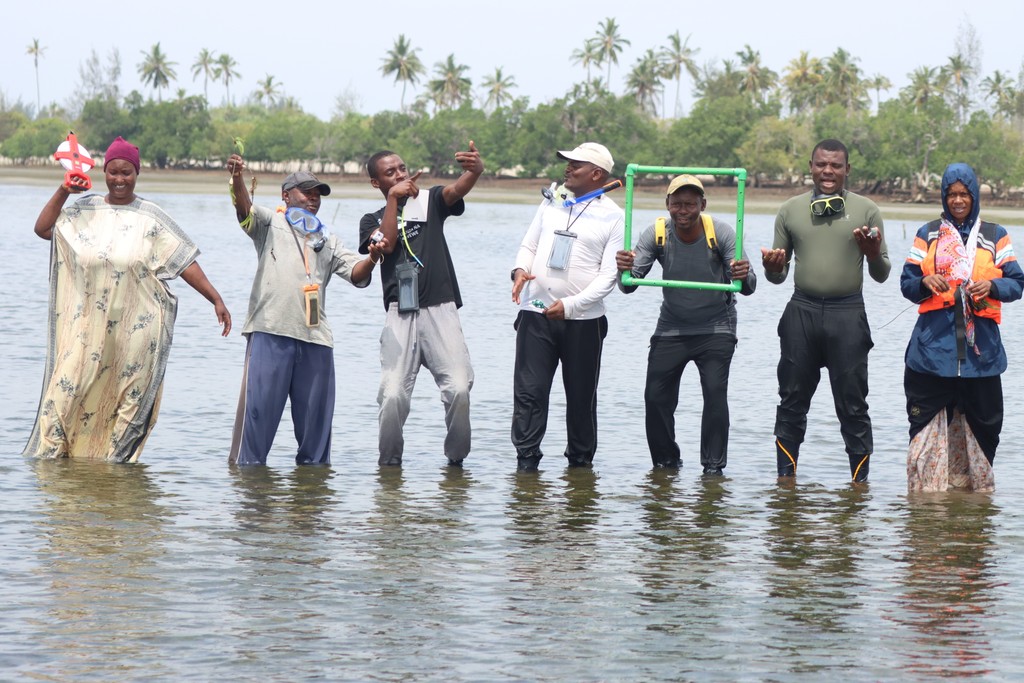
Led development of a Plan Vivo Approved Approach for community‑led seagrass habitat monitoring
Led development of a Plan Vivo Approved Approach for community‑led seagrass habitat monitoring
Engage with Vanga Seagrass Project
Vanga Seagrass Project is part of a movement to make Nature Positive action tangible and accountable.

Read our biodiversity brochure
Partner on research or new pilots
Learn more about our biodiversity approach
Donate directly to ACES
Read our biodiversity brochure
Partner on research or new pilots
Learn more about our biodiversity approach
Donate directly to ACES
Read our biodiversity brochure
Partner on research or new pilots
Learn more about our biodiversity approach
Donate directly to ACES





Still have questions?
Let's dig deeper.
Which carbon standard are ACES projects certified to?
Our projects are certified to the Plan Vivo Standard, who prioritise poverty alleviation. In order to achieve this certification, the projects are validated by an independent assessor before they are launched and undergo 5-yearly independent verification assessments.
How can I buy carbon credits from ACES?
We don’t sell credits on our website because we prefer to know who is buying them and ensure that they are not used to facilitate greenwashing. You can get in touch with us to discuss buying our credits, and if you are happy to share, we would love to know a bit about you and your carbon reduction journey.
Are ACES' carbon credits reduction or removal credits?
They are both. Our reforestation activities remove carbon from the atmosphere as the new trees grow and trap sediment carbon in their roots. Our avoided deforestation both reduces carbon emissions from burning of timber and escape of sediment carbon and removes carbon as the trees are allowed to grow beyond what they would have otherwise done without the protection.
Is carbon offsetting not just greenwashing?
We believe that systemic change is the priority in the fight against climate change. However, the global community is not moving fast enough to tackle the problem – we are still on a trajectory to exceed 2 degrees of warming. Fully reducing or eliminating our GHG emissions is not always possible – many of us need to fly to visit family, cannot afford electric cars or to decarbonise our homes, public transport is not always adequate to travel by. This is where we believe carbon offsetting can play part in the meantime – to compensate for those unavoidable emissions while we reach a low-carbon world.
How much does it cost to offset with ACES?
We try to make our credits as affordable as possible to the type of clients who we like to work with – genuine, ethical buyers who may be charities, small businesses, or individuals. Our credits are not the cheapest on the market – they couldn’t be as high-quality if they were – but neither do we seek to sell to the highest bidder. Get in touch with us to discuss a quote for your needs.
If I offset with ACES, where does my money go?
ACES works closely with the community groups that lead our projects. We are a charity and do not make a profit from sales. We retain a small percentage (around 15%) to cover our overheads and pay certification and audit costs for the projects. Of the ~85% sent to the community groups, around half is spent on salaries, a third on community development activities and the remainder funds forest conservation and restoration activities.
How does ACES work with communities?
We work in partnership with Community Based Organisations (CBOs), which are governed by boards of locally elected community members. The CBOs report to and consult with the wider community on project development and how the community development funds should be spent. Around 1/3 of our project expenditure is allocated to community development activities and the wider community can vote on how this is spent, ensuring that they benefit the community as a whole and address local needs.
ACES accepts donations and sells credits. What is the difference?
Our credits equate to a certified tonne of CO2 that our projects have either sequestered or prevented from being released into the atmosphere.
Donations support our work as a charity, allowing us to provide technical and advisory support to non-accredited projects and to send as much of the carbon income as possible to community groups. We also occasionally seek donations for community development activities beyond the usual remit of our projects, for example, funding period poverty relief.
Still have questions?
Let's dig deeper.
Which carbon standard are ACES projects certified to?
Our projects are certified to the Plan Vivo Standard, who prioritise poverty alleviation. In order to achieve this certification, the projects are validated by an independent assessor before they are launched and undergo 5-yearly independent verification assessments.
How can I buy carbon credits from ACES?
We don’t sell credits on our website because we prefer to know who is buying them and ensure that they are not used to facilitate greenwashing. You can get in touch with us to discuss buying our credits, and if you are happy to share, we would love to know a bit about you and your carbon reduction journey.
Are ACES' carbon credits reduction or removal credits?
They are both. Our reforestation activities remove carbon from the atmosphere as the new trees grow and trap sediment carbon in their roots. Our avoided deforestation both reduces carbon emissions from burning of timber and escape of sediment carbon and removes carbon as the trees are allowed to grow beyond what they would have otherwise done without the protection.
Is carbon offsetting not just greenwashing?
We believe that systemic change is the priority in the fight against climate change. However, the global community is not moving fast enough to tackle the problem – we are still on a trajectory to exceed 2 degrees of warming. Fully reducing or eliminating our GHG emissions is not always possible – many of us need to fly to visit family, cannot afford electric cars or to decarbonise our homes, public transport is not always adequate to travel by. This is where we believe carbon offsetting can play part in the meantime – to compensate for those unavoidable emissions while we reach a low-carbon world.
How much does it cost to offset with ACES?
We try to make our credits as affordable as possible to the type of clients who we like to work with – genuine, ethical buyers who may be charities, small businesses, or individuals. Our credits are not the cheapest on the market – they couldn’t be as high-quality if they were – but neither do we seek to sell to the highest bidder. Get in touch with us to discuss a quote for your needs.
If I offset with ACES, where does my money go?
ACES works closely with the community groups that lead our projects. We are a charity and do not make a profit from sales. We retain a small percentage (around 15%) to cover our overheads and pay certification and audit costs for the projects. Of the ~85% sent to the community groups, around half is spent on salaries, a third on community development activities and the remainder funds forest conservation and restoration activities.
How does ACES work with communities?
We work in partnership with Community Based Organisations (CBOs), which are governed by boards of locally elected community members. The CBOs report to and consult with the wider community on project development and how the community development funds should be spent. Around 1/3 of our project expenditure is allocated to community development activities and the wider community can vote on how this is spent, ensuring that they benefit the community as a whole and address local needs.
ACES accepts donations and sells credits. What is the difference?
Our credits equate to a certified tonne of CO2 that our projects have either sequestered or prevented from being released into the atmosphere.
Donations support our work as a charity, allowing us to provide technical and advisory support to non-accredited projects and to send as much of the carbon income as possible to community groups. We also occasionally seek donations for community development activities beyond the usual remit of our projects, for example, funding period poverty relief.