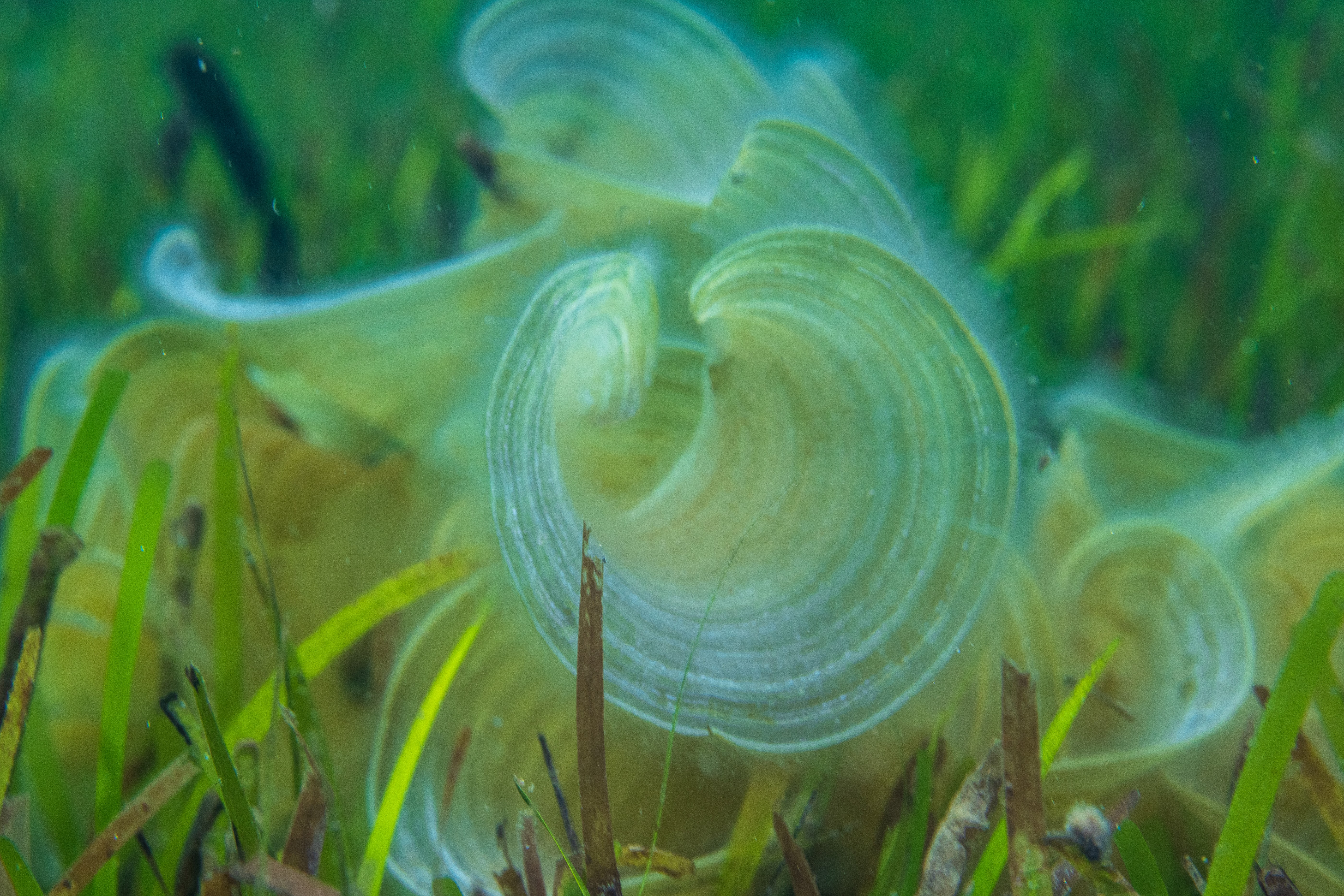
Marine biodiversity credits
We believe that nature can bounce back from the biodiversity crisis. When communities are involved, ecosystems can recover.
ACES is developing a pilot community‑led marine biodiversity credit project so that businesses and funders can invest directly in healthier marine ecosystems.
Marine biodiversity credits
We believe that nature can bounce back from the biodiversity crisis. When communities are involved, ecosystems can recover.
ACES is developing a pilot community‑led marine biodiversity credit project so that businesses and funders can invest directly in healthier marine ecosystems.
Marine biodiversity credits
We believe that nature can bounce back from the biodiversity crisis. When communities are involved, ecosystems can recover.
ACES is developing a pilot community‑led marine biodiversity credit project so that businesses and funders can invest directly in healthier marine ecosystems.
Why biodiversity, why now?

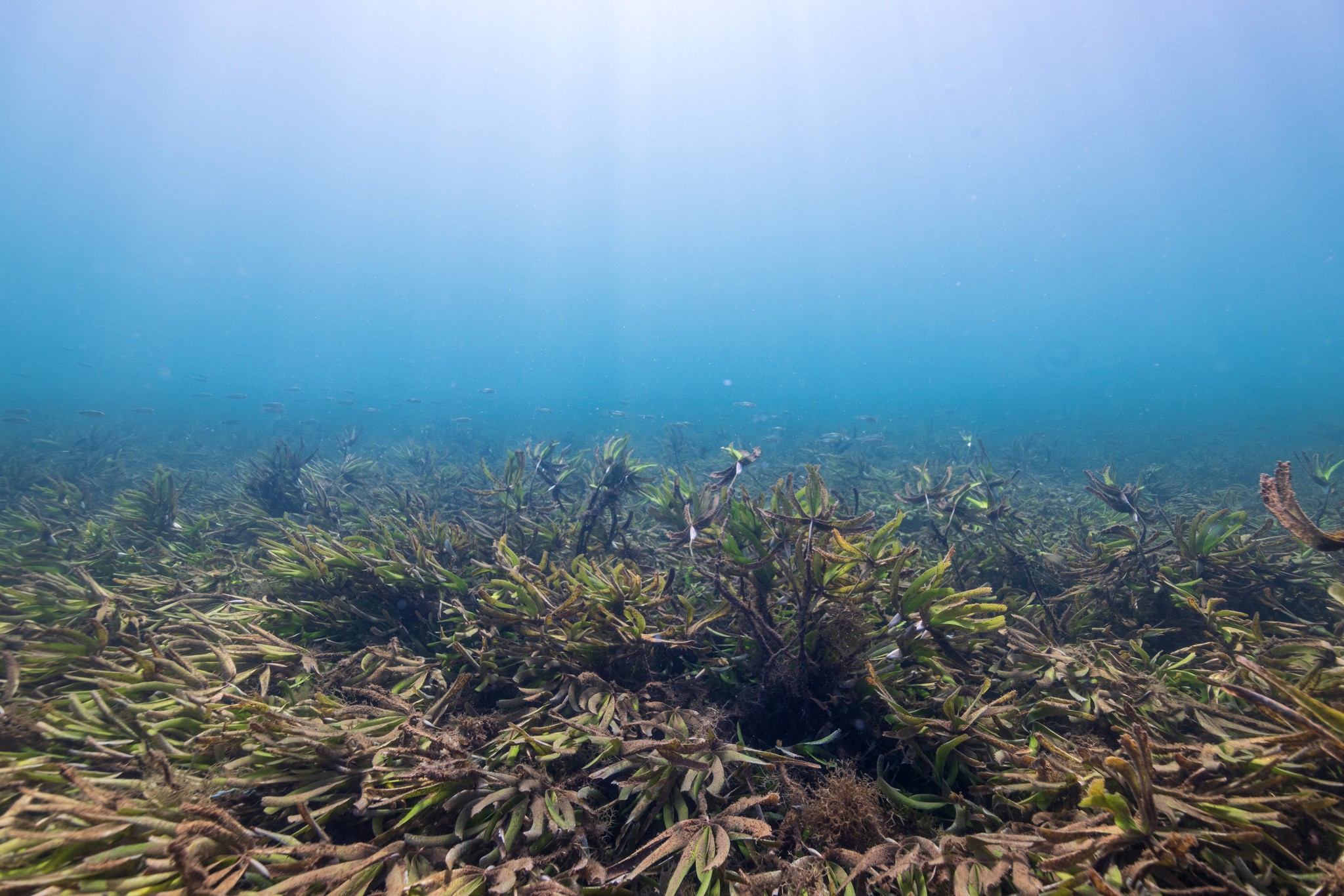
Healthy, biodiverse marine ecosystems are essential for food, livelihoods and climate resilience. Yet some of the most important habitats – like seagrass meadows – are among the most threatened.

We are on track to launch one of the world’s first certified community‑led marine biodiversity credits, built with coastal communities.

The climate and biodiversity crises amplify one another.
As ecosystems degrade, they become less resilient to storms, sea‑level rise and warming oceans.
Coastal communities are often the first to see and feel these changes, and they are best placed to lead the response.
Our biodiversity project
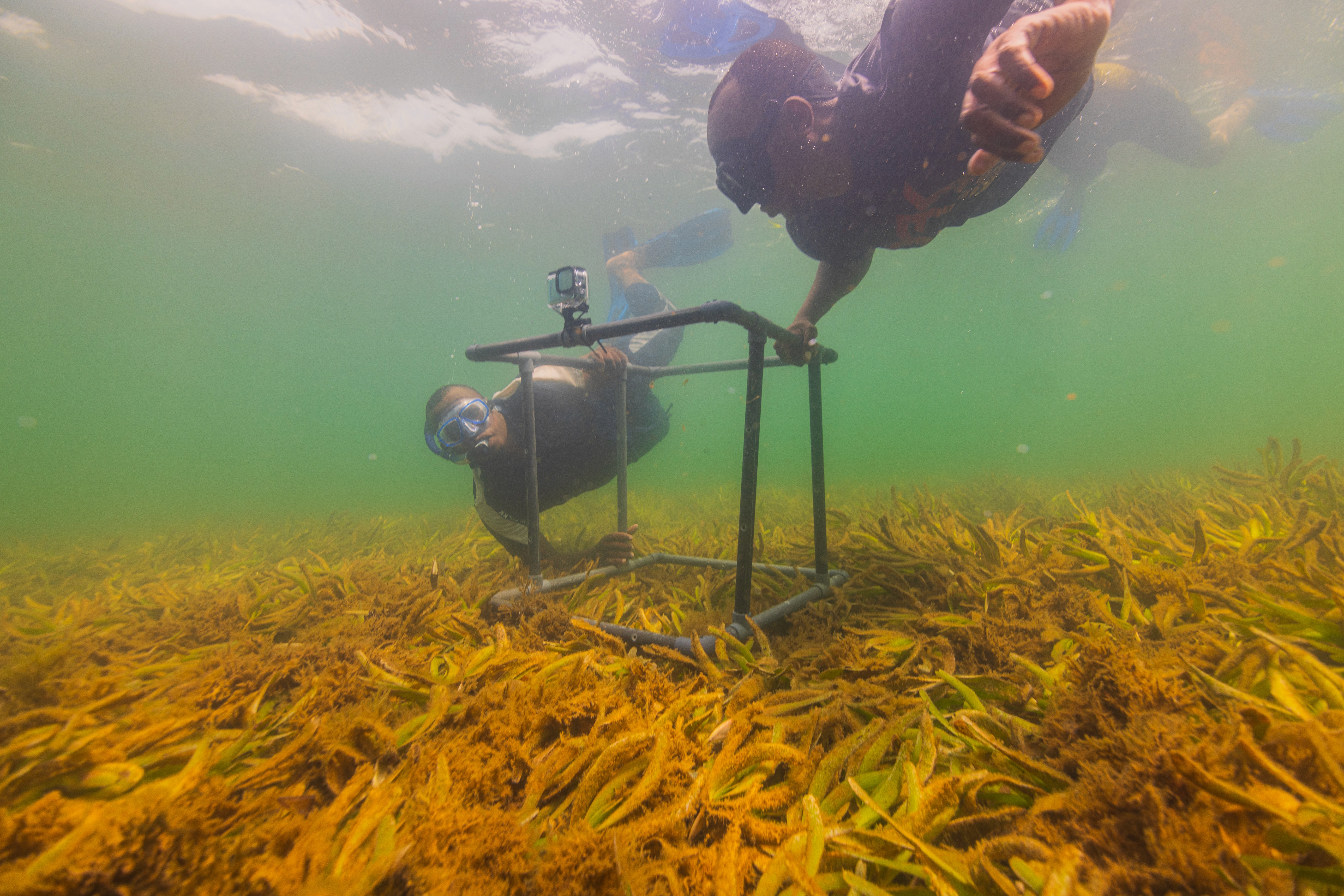
Vanga Seagrass Project protects 225 hectares of vital seagrass meadows through a Locally Managed Marine Area (LMMA).
The project team is:
Monitoring seagrass, fish and invertebrates for signs of recovery
Monitoring seagrass, fish and invertebrates for signs of recovery
Watching for sea turtles and dugongs within the LMMA
Watching for sea turtles and dugongs within the LMMA
Working with communities to strengthen sustainable fishing practices
Working with communities to strengthen sustainable fishing practices

Wait, what is seagrass?
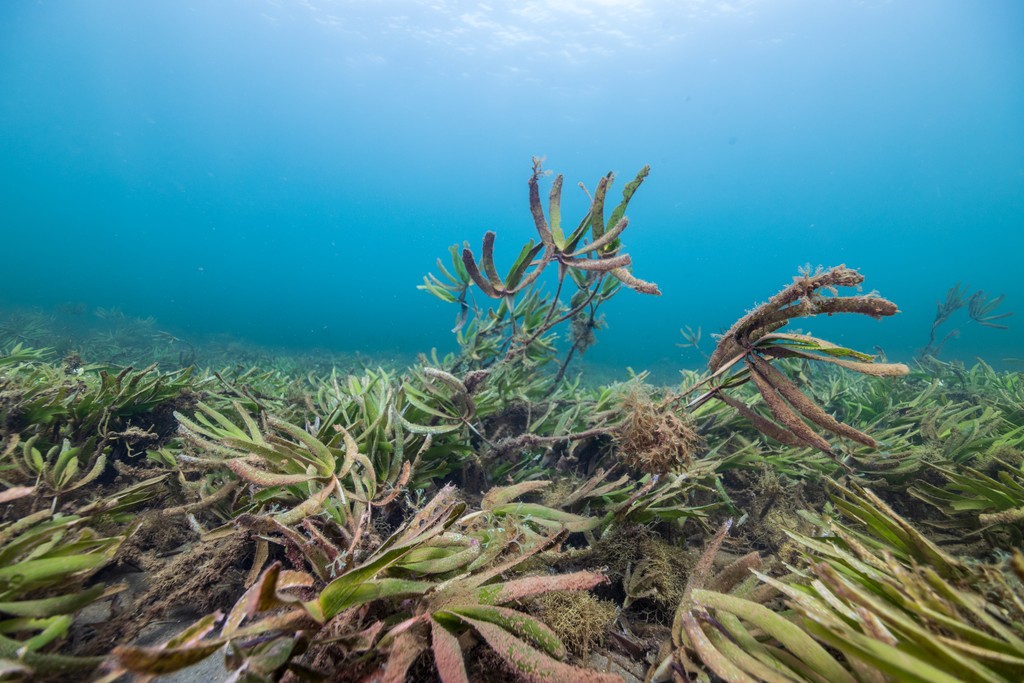
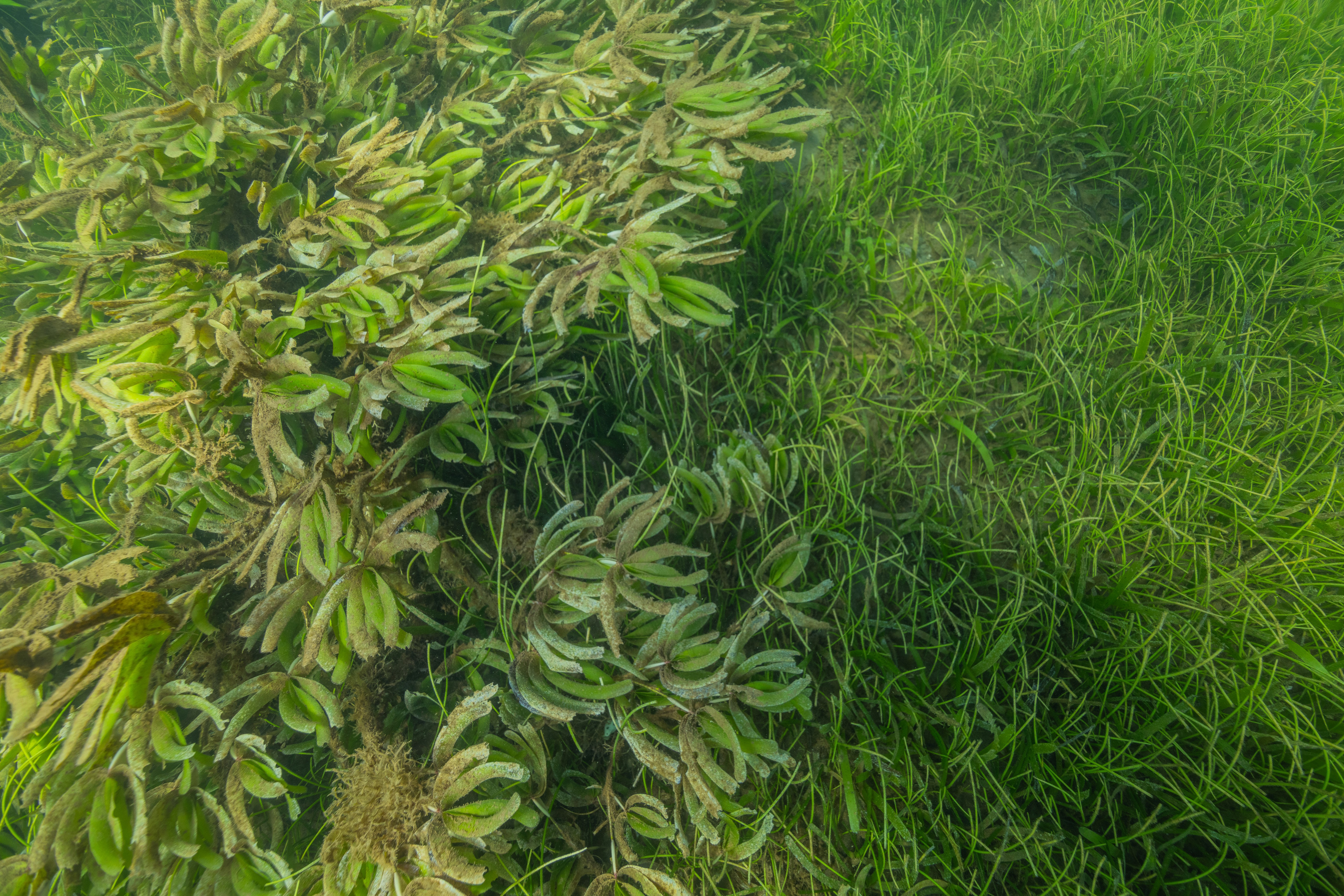
Seagrass is the only marine flowering plant. Not a seaweed, it is similar to grass and captures carbon in the same way, by storing it in its leaves and roots. This carbon is released when seagrass is damaged.

What's at threat?
One of the biggest threats to seagrass is damage by fishing activities. Certain types of nets and anchors can permanently damage seagrass. This damage releases the stored carbon back into the ocean and atmosphere, contributing to climate change. This damage also degrades a crucial ecosystem and resources for both fish and local communities.
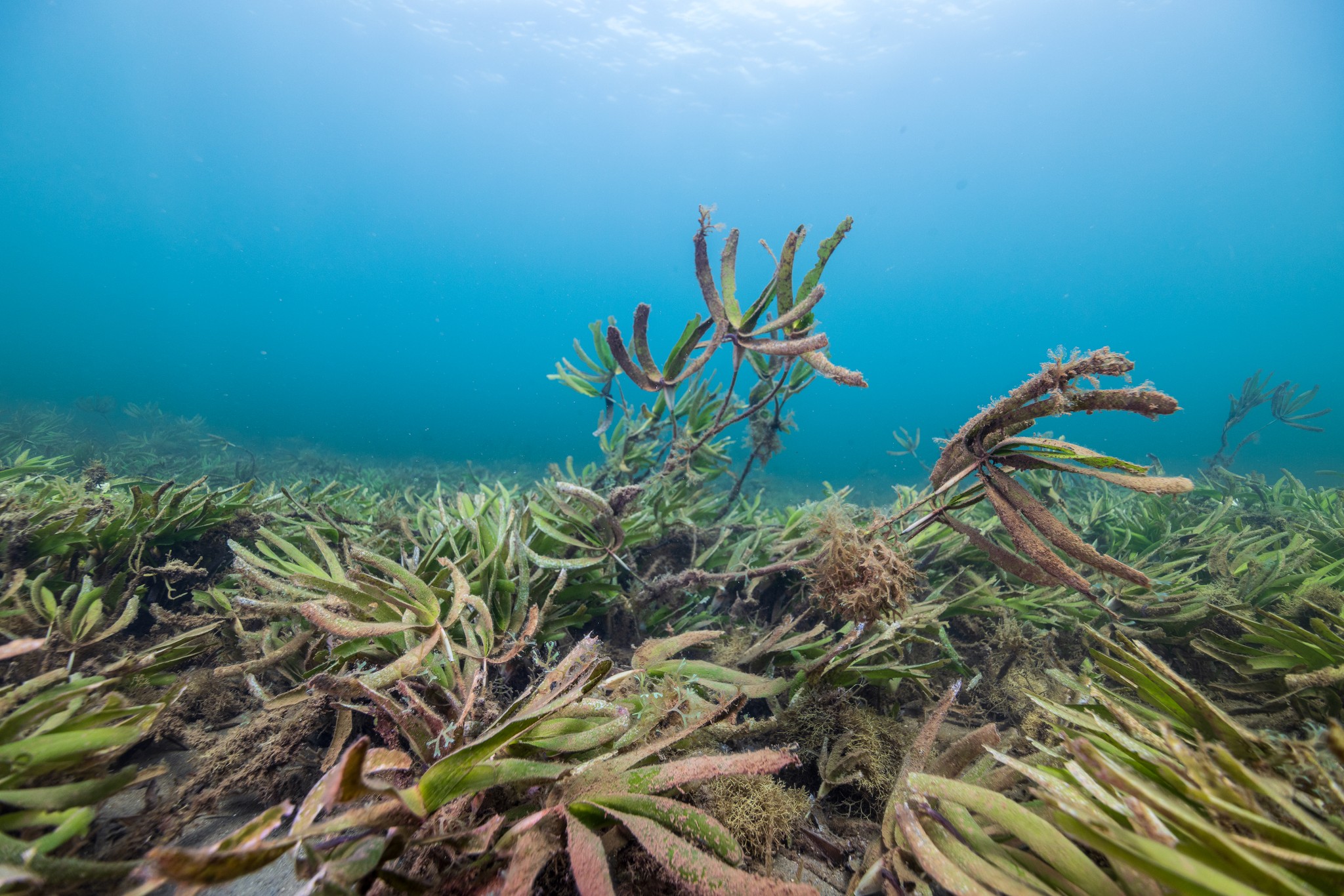
What's at threat?
One of the biggest threats to seagrass is damage by fishing activities. Certain types of nets and anchors can permanently damage seagrass. This damage releases the stored carbon back into the ocean and atmosphere, contributing to climate change. This damage also degrades a crucial ecosystem and resources for both fish and local communities.
What are marine biodiversity credits?
Biodiversity credits are a new way to invest in measured, certified positive outcomes for nature.
For buyers, they offer:
Our credits are not offsets.
They are designed for biodiversity conservation and gain, with emphasis on equity and integrity. The price of the credits will reflect the project implementation costs, not the true value of biodiversity which is so much higher.
Integrity and standards
Our biodiversity projects are certified under Plan Vivo’s Biodiversity Standard, PV Nature – the leading standard for social integrity and community benefit.
We are proud to be:

Part of a pilot cohort shaping what high‑integrity biodiversity credits can look like
Part of a pilot cohort shaping what high‑integrity biodiversity credits can look like
Working with partners to develop practical, community‑led monitoring approaches
Working with partners to develop practical, community‑led monitoring approaches

Clear that the value of biodiversity goes far beyond money
Clear that the value of biodiversity goes far beyond money
Engage with us as:

Credit buyers
We love to connect with the people buying our credits. Every buyer becomes part of the project's story, and we’re committed to long‑term trusted relationships. If you are looking for high‑integrity blue credits that fund community‑owned projects, this page is for you.
Coastal communities
Our partnerships with communities are the core of what we do. If you are part of a coastal community that wants to protect and restore your ecosystems, and you see a possible place for ACES in your work, this page is for you
Impact Investors
All donations and investments in ACES and our projects make a real difference for people and nature. If you are a philanthropist, grant‑giver or impact investor looking to back small but mighty, community‑led climate and nature solutions, this page is for you.
Researchers
ACES welcomes research collaborations that help deepen understanding of blue carbon, biodiversity and community‑led conservation. If you are a researcher or student interested in working with us or our projects, this page is for you.
Credit buyers
We love to connect with the people buying our credits. Every buyer becomes part of the project's story, and we’re committed to long‑term trusted relationships. If you are looking for high‑integrity blue credits that fund community‑owned projects, this page is for you.
Coastal communities
Our partnerships with communities are the core of what we do. If you are part of a coastal community that wants to protect and restore your ecosystems, and you see a possible place for ACES in your work, this page is for you
Impact Investors
All donations and investments in ACES and our projects make a real difference for people and nature. If you are a philanthropist, grant‑giver or impact investor looking to back small but mighty, community‑led climate and nature solutions, this page is for you.
Researchers
ACES welcomes research collaborations that help deepen understanding of blue carbon, biodiversity and community‑led conservation. If you are a researcher or student interested in working with us or our projects, this page is for you.
Credit buyers
We love to connect with the people buying our credits. Every buyer becomes part of the project's story, and we’re committed to long‑term trusted relationships. If you are looking for high‑integrity blue credits that fund community‑owned projects, this page is for you.
Coastal communities
Our partnerships with communities are the core of what we do. If you are part of a coastal community that wants to protect and restore your ecosystems, and you see a possible place for ACES in your work, this page is for you
Impact Investors
All donations and investments in ACES and our projects make a real difference for people and nature. If you are a philanthropist, grant‑giver or impact investor looking to back small but mighty, community‑led climate and nature solutions, this page is for you.
Researchers
ACES welcomes research collaborations that help deepen understanding of blue carbon, biodiversity and community‑led conservation. If you are a researcher or student interested in working with us or our projects, this page is for you.


Still have questions?
Let's dig deeper.
Which carbon standard are ACES projects certified to?
Our projects are certified to the Plan Vivo Standard, who prioritise poverty alleviation. In order to achieve this certification, the projects are validated by an independent assessor before they are launched and undergo 5-yearly independent verification assessments.
How can I buy carbon credits from ACES?
We don’t sell credits on our website because we prefer to know who is buying them and ensure that they are not used to facilitate greenwashing. You can get in touch with us to discuss buying our credits, and if you are happy to share, we would love to know a bit about you and your carbon reduction journey.
Are ACES' carbon credits reduction or removal credits?
They are both. Our reforestation activities remove carbon from the atmosphere as the new trees grow and trap sediment carbon in their roots. Our avoided deforestation both reduces carbon emissions from burning of timber and escape of sediment carbon and removes carbon as the trees are allowed to grow beyond what they would have otherwise done without the protection.
Is carbon offsetting not just greenwashing?
We believe that systemic change is the priority in the fight against climate change. However, the global community is not moving fast enough to tackle the problem – we are still on a trajectory to exceed 2 degrees of warming. Fully reducing or eliminating our GHG emissions is not always possible – many of us need to fly to visit family, cannot afford electric cars or to decarbonise our homes, public transport is not always adequate to travel by. This is where we believe carbon offsetting can play part in the meantime – to compensate for those unavoidable emissions while we reach a low-carbon world.
How much does it cost to offset with ACES?
We try to make our credits as affordable as possible to the type of clients who we like to work with – genuine, ethical buyers who may be charities, small businesses, or individuals. Our credits are not the cheapest on the market – they couldn’t be as high-quality if they were – but neither do we seek to sell to the highest bidder. Get in touch with us to discuss a quote for your needs.
If I offset with ACES, where does my money go?
ACES works closely with the community groups that lead our projects. We are a charity and do not make a profit from sales. We retain a small percentage (around 15%) to cover our overheads and pay certification and audit costs for the projects. Of the ~85% sent to the community groups, around half is spent on salaries, a third on community development activities and the remainder funds forest conservation and restoration activities.
How does ACES work with communities?
We work in partnership with Community Based Organisations (CBOs), which are governed by boards of locally elected community members. The CBOs report to and consult with the wider community on project development and how the community development funds should be spent. Around 1/3 of our project expenditure is allocated to community development activities and the wider community can vote on how this is spent, ensuring that they benefit the community as a whole and address local needs.
ACES accepts donations and sells credits. What is the difference?
Our credits equate to a certified tonne of CO2 that our projects have either sequestered or prevented from being released into the atmosphere.
Donations support our work as a charity, allowing us to provide technical and advisory support to non-accredited projects and to send as much of the carbon income as possible to community groups. We also occasionally seek donations for community development activities beyond the usual remit of our projects, for example, funding period poverty relief.
Still have questions?
Let's dig deeper.
Which carbon standard are ACES projects certified to?
Our projects are certified to the Plan Vivo Standard, who prioritise poverty alleviation. In order to achieve this certification, the projects are validated by an independent assessor before they are launched and undergo 5-yearly independent verification assessments.
How can I buy carbon credits from ACES?
We don’t sell credits on our website because we prefer to know who is buying them and ensure that they are not used to facilitate greenwashing. You can get in touch with us to discuss buying our credits, and if you are happy to share, we would love to know a bit about you and your carbon reduction journey.
Are ACES' carbon credits reduction or removal credits?
They are both. Our reforestation activities remove carbon from the atmosphere as the new trees grow and trap sediment carbon in their roots. Our avoided deforestation both reduces carbon emissions from burning of timber and escape of sediment carbon and removes carbon as the trees are allowed to grow beyond what they would have otherwise done without the protection.
Is carbon offsetting not just greenwashing?
We believe that systemic change is the priority in the fight against climate change. However, the global community is not moving fast enough to tackle the problem – we are still on a trajectory to exceed 2 degrees of warming. Fully reducing or eliminating our GHG emissions is not always possible – many of us need to fly to visit family, cannot afford electric cars or to decarbonise our homes, public transport is not always adequate to travel by. This is where we believe carbon offsetting can play part in the meantime – to compensate for those unavoidable emissions while we reach a low-carbon world.
How much does it cost to offset with ACES?
We try to make our credits as affordable as possible to the type of clients who we like to work with – genuine, ethical buyers who may be charities, small businesses, or individuals. Our credits are not the cheapest on the market – they couldn’t be as high-quality if they were – but neither do we seek to sell to the highest bidder. Get in touch with us to discuss a quote for your needs.
If I offset with ACES, where does my money go?
ACES works closely with the community groups that lead our projects. We are a charity and do not make a profit from sales. We retain a small percentage (around 15%) to cover our overheads and pay certification and audit costs for the projects. Of the ~85% sent to the community groups, around half is spent on salaries, a third on community development activities and the remainder funds forest conservation and restoration activities.
How does ACES work with communities?
We work in partnership with Community Based Organisations (CBOs), which are governed by boards of locally elected community members. The CBOs report to and consult with the wider community on project development and how the community development funds should be spent. Around 1/3 of our project expenditure is allocated to community development activities and the wider community can vote on how this is spent, ensuring that they benefit the community as a whole and address local needs.
ACES accepts donations and sells credits. What is the difference?
Our credits equate to a certified tonne of CO2 that our projects have either sequestered or prevented from being released into the atmosphere.
Donations support our work as a charity, allowing us to provide technical and advisory support to non-accredited projects and to send as much of the carbon income as possible to community groups. We also occasionally seek donations for community development activities beyond the usual remit of our projects, for example, funding period poverty relief.